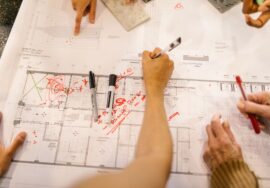
Effective Construction Coordination for Successful Commercial Projects
Construction Project Management helps project owners plan, coordinate and control construction work with clearer responsibilities, better reporting and structured project delivery.
Useful reference: OSHA Construction Industry Guidance
Useful reference: PMI Construction Extension to the PMBOK Guide
Construction Project Management: What Project Owners Should Know
Construction coordination is a critical factor in delivering successful commercial projects. It involves aligning multiple stakeholders, managing timelines, and ensuring seamless communication across design, procurement, and construction phases. For business owners, real estate developers, architects, and project owners, understanding the nuances of construction coordination can significantly improve project outcomes.
At AMs Project Consultants Pvt. Ltd., construction coordination is integrated into our comprehensive project management consultancy services. We focus on end-to-end project cycle management, ensuring that design management, MEP coordination, procurement, and quality controls are synchronized for smooth project delivery.
Understanding Construction Coordination in Commercial Project Management
Construction coordination is more than scheduling tasks; it is about orchestrating diverse activities and stakeholders to achieve timely and compliant project delivery. In commercial construction, this includes managing contractors, subcontractors, suppliers, and consultants while keeping the project aligned with design intent, cost budgets, and safety standards.
Effective coordination requires clear communication channels, robust documentation, and proactive issue resolution. AMs emphasizes the importance of integrating construction audit and quality checks at each phase to mitigate risks and maintain compliance with statutory and contractual requirements.
Key Components of Construction Coordination
- Design and Build Integration: Coordinating architectural, structural, and MEP designs to avoid conflicts and ensure constructability.
- Procurement Management: Aligning material delivery schedules with construction timelines to prevent delays.
- MEP Coordination: Synchronizing mechanical, electrical, and plumbing installations to reduce rework and clashes.
- Quality and Safety Compliance: Implementing regular inspections and audits to uphold standards and minimize risks.
- Stakeholder Communication: Facilitating regular meetings and progress reports to keep all parties informed and engaged.
Planning vs Execution vs Handover in Construction Coordination
Successful project delivery depends on distinguishing between planning, execution, and handover phases. During planning, AMs focuses on detailed scheduling, risk assessment, and procurement strategies. Execution involves on-site supervision, contractor coordination, and quality assurance. The handover phase includes comprehensive snagging, documentation, and techno-commercial closeout to ensure the project meets all specifications and client expectations.
Common Mistakes to Avoid in Construction Coordination
- Poor communication leading to misunderstandings and delays.
- Inadequate integration of MEP and design disciplines causing clashes.
- Ignoring procurement lead times resulting in material shortages.
- Skipping regular quality audits and safety checks.
- Failing to document changes and approvals properly.
When to Involve a Professional Project Management Consultant
Engaging a professional like AMs early in the project lifecycle helps identify risks, streamline procurement, and coordinate complex MEP systems effectively. Our expertise in built-to-suit projects and construction audit supports clients in navigating statutory approvals and compliance without compromising timelines or quality.
What Project Owners Should Check Before Starting Construction Coordination
- Clear scope and design documentation.
- Defined roles and responsibilities of all stakeholders.
- Realistic budget and cost control mechanisms.
- Procurement schedules aligned with project milestones.
- Safety and quality compliance frameworks.
Construction Coordination Best Practices for Commercial Projects
AMs employs several best practices to enhance construction coordination:
- Integrated Project Scheduling: Using advanced tools to align all activities and monitor progress.
- Regular Coordination Meetings: Weekly or biweekly sessions with contractors, consultants, and clients to resolve issues promptly.
- Centralized Documentation: Maintaining a shared platform for drawings, approvals, and reports to ensure transparency.
- Proactive Risk Management: Identifying potential bottlenecks early and implementing mitigation plans.
- Comprehensive Construction Audits: Periodic inspections to verify compliance with design, safety, and quality standards.
Comparison Table: Construction Coordination vs Construction Management
| Aspect | Construction Coordination | Construction Management |
|---|---|---|
| Focus | Aligning stakeholders and activities | Overseeing site execution and resource management |
| Scope | Cross-disciplinary integration including design and procurement | Day-to-day supervision and contractor management |
| Key Activities | Scheduling, communication, quality checks | Site monitoring, labor management, progress reporting |
| Outcome | Smooth project delivery with minimal conflicts | Efficient execution within time and budget |
Practical Construction Coordination Checklist
- Confirm all design documents and revisions are approved.
- Establish communication protocols among stakeholders.
- Verify procurement schedules and delivery logistics.
- Schedule regular MEP coordination meetings.
- Implement quality and safety audit plans.
- Maintain updated risk and issue logs.
- Prepare handover documentation and snag lists.
FAQs on Construction Coordination
What is the role of construction coordination in commercial projects?
Construction coordination ensures all project activities and stakeholders are aligned to deliver the project on time, within budget, and meeting quality and compliance standards.
How does AMs support MEP coordination?
AMs integrates MEP planning with design and procurement phases, facilitating clash detection and scheduling to reduce rework and delays.
Why is procurement management critical in construction coordination?
Proper procurement management aligns material availability with construction schedules, preventing costly downtime and ensuring smooth progress.
When should project owners involve a construction project management consultant?
Early involvement helps in risk identification, integrated planning, and efficient stakeholder coordination throughout the project lifecycle.
How does construction audit contribute to coordination?
Construction audits provide independent verification of quality, safety, and compliance, supporting timely corrective actions and project transparency.
What are common challenges in construction coordination?
Challenges include miscommunication, design conflicts, procurement delays, and inadequate quality control, all of which require proactive management.
How can project owners prepare for successful construction coordination?
By ensuring clear scope, realistic budgets, defined roles, aligned procurement schedules, and robust safety and quality frameworks.
Effective construction coordination is essential for successful commercial projects. AMs Project Consultants Pvt. Ltd. combines expert project management consultancy with specialized services like design management, MEP coordination, and construction audit to support clients across industrial, institutional, warehousing, and office fit-out projects. By focusing on integrated planning, communication, and quality control, construction coordination can reduce risks and streamline project delivery.
For more insights on managing construction costs effectively, explore Effective Procurement Management Strategies for Commercial Construction Projects. To understand how design and build services integrate with project delivery, see Optimizing Performance Management in Commercial Construction Projects.
In commercial and industrial projects, construction project management is most useful when planning, coordination, cost control, quality checks and handover responsibilities are clearly documented from the start.