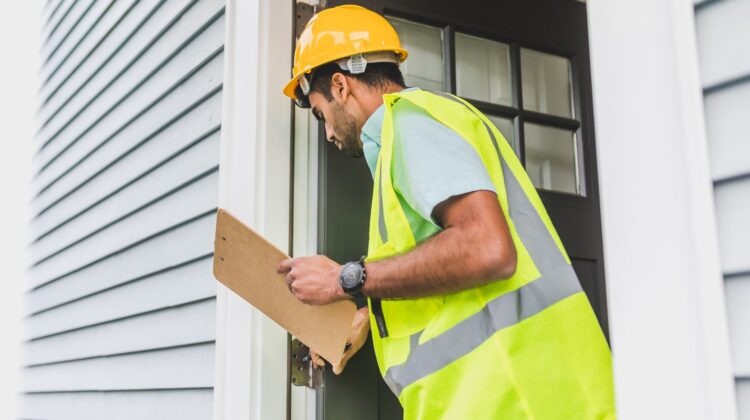
Achieving Safety Excellence in Construction Project Management
Construction Quality Control helps project owners plan, coordinate and control construction work with clearer responsibilities, better reporting and structured project delivery.
Useful reference: OSHA Construction Industry Guidance
Useful reference: PMI Construction Extension to the PMBOK Guide
Construction Quality Control: What Project Owners Should Know
Safety excellence is a critical goal in construction project management, especially for commercial, industrial, and institutional projects. Achieving safety excellence requires a structured approach to planning, execution, and monitoring within the entire project lifecycle. This article explores practical methods and expert advice on how construction project management consultancy can enhance safety outcomes while maintaining operational excellence.
At AMs Project Consultants Pvt. Ltd., we emphasize integrating safety excellence into every phase of project delivery. From initial design management and procurement to construction supervision and handover, safety protocols must be embedded and continuously evaluated. This proactive approach reduces risks and supports compliance with statutory requirements.
Safety Excellence in Construction Project Management: A Practical Approach
Safety excellence in construction project management means more than just meeting regulatory standards. It involves creating a culture where safety is a shared responsibility among all stakeholders including project owners, contractors, architects, and facility managers. AMs ensures this through comprehensive safety planning, risk assessments, and ongoing audits.
Key components include detailed construction planning that incorporates safety checkpoints, quality control measures, and MEP coordination to avoid hazards during installation phases. Regular site safety inspections and construction audits help identify potential risks early. This process requires clear documentation and communication between all parties.
Integrating Safety into Project Planning and Execution
Effective safety management starts at the project planning stage. AMs consultants collaborate with design and build teams to review technical feasibility and incorporate safety considerations into design management. Procurement processes also include safety compliance checks for materials and equipment.
During execution, construction management teams implement safety protocols aligned with the project’s risk profile. Coordinating contractors and subcontractors ensures adherence to safety standards. Regular reporting and stakeholder coordination meetings help maintain safety focus and resolve issues promptly.
Common Mistakes to Avoid in Safety Management
- Neglecting safety integration during early project phases
- Inadequate communication between stakeholders on safety requirements
- Failing to conduct regular safety audits or inspections
- Overlooking MEP coordination risks that can cause site hazards
- Not documenting safety incidents or corrective actions properly
When to Involve a Professional Project Management Consultant
Project owners should consider involving a professional construction project management consultancy like AMs when safety risks are complex or when multiple contractors and disciplines are involved. Early involvement helps embed safety excellence into the project framework, reducing costly delays and compliance issues later.
What Project Owners Should Check Before Starting
Before project commencement, owners should verify that safety plans are comprehensive and aligned with legal and contractual requirements. This includes reviewing construction audit reports, safety training programs, and emergency response plans. Ensuring clear roles and responsibilities for safety management is also essential.
Planning vs Execution vs Handover: Safety Focus at Every Stage
Planning: Safety risk assessments, design reviews, and procurement compliance.
Execution: Site safety supervision, contractor coordination, and incident monitoring.
Handover: Safety documentation, snagging related to safety issues, and final compliance certification.
| Project Phase | Safety Activities | Stakeholder Roles |
|---|---|---|
| Planning | Risk assessment, design safety review, procurement checks | PMC consultants, design team, procurement |
| Execution | Site inspections, safety audits, contractor coordination | Construction managers, safety officers, contractors |
| Handover | Safety snag list, compliance certification, documentation | Project owners, PMC, quality & safety team |
Practical Safety Checklist for Construction Project Management
- Confirm safety roles and responsibilities are assigned
- Review and approve safety plans during design and procurement
- Schedule regular site safety inspections and audits
- Ensure MEP coordination to prevent installation hazards
- Maintain incident reporting and corrective action logs
- Conduct safety training for all site personnel
- Prepare emergency response and evacuation plans
- Verify compliance with statutory safety requirements
- Document safety sign-offs at project handover
Integrating safety excellence into construction project management is a continuous process that requires expertise and coordination. AMs Project Consultants Pvt. Ltd. supports project owners and stakeholders with end-to-end safety integration as part of overall operational excellence. For more insights on construction project delivery and cost management, refer to Achieving Operational Excellence in Construction Project Management. For detailed guidance on design management and MEP coordination, see Effective Project Monitoring Strategies for Construction Excellence.
Frequently Asked Questions About Safety Excellence in Construction Project Management
What is safety excellence in construction project management?
It is the systematic approach to embedding safety protocols throughout the project lifecycle to minimize risks and ensure compliance with safety standards.
How does AMs integrate safety into project delivery?
AMs incorporates safety in design management, procurement checks, construction supervision, and through regular audits and stakeholder coordination.
Why is MEP coordination important for safety?
Proper MEP coordination prevents installation conflicts and hazards that could compromise site safety during construction.
When should a project owner involve a construction project management consultant for safety?
Early involvement is recommended when projects have complex safety risks or multiple contractors to ensure safety excellence from the start.
What are common safety mistakes in construction projects?
Common mistakes include poor communication, lack of early safety planning, inadequate inspections, and failure to document incidents.
How can safety audits improve project outcomes?
Safety audits identify risks proactively, ensure compliance, and help implement corrective actions before issues escalate.
What should be included in a safety plan for construction projects?
Safety plans should cover risk assessments, roles and responsibilities, training programs, emergency procedures, and compliance checklists.
By prioritizing safety excellence, project owners and stakeholders can reduce risks, improve compliance, and support successful project delivery across commercial, industrial, and institutional construction projects.
In commercial and industrial projects, construction quality control is most useful when planning, coordination, cost control, quality checks and handover responsibilities are clearly documented from the start.