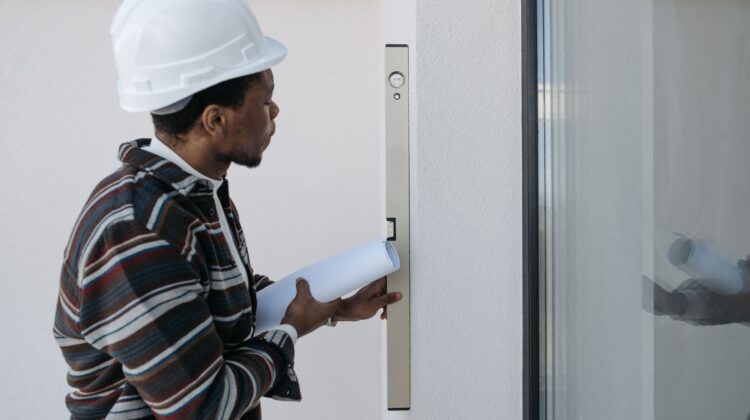
Quality Assurance in Commercial Construction Project Management
Construction Quality Control helps project owners plan, coordinate and control construction work with clearer responsibilities, better reporting and structured project delivery.
Useful reference: OSHA Construction Industry Guidance
Useful reference: PMI Construction Extension to the PMBOK Guide
Construction Quality Control: What Project Owners Should Know
Quality assurance is a critical component of construction project management, especially in commercial construction where complex coordination and high standards are essential. Effective quality assurance ensures that every phase of the project-from design through procurement, construction, and handover-meets the required specifications and client expectations.
At AMs Project Consultants Pvt. Ltd., quality assurance is integrated into our comprehensive construction project management consultancy services. Our approach covers end-to-end project cycle management including design management, cost control, MEP coordination, construction audit, and compliance monitoring to maintain high-quality outcomes.
Understanding Quality Assurance in Construction Project Management
Quality assurance in construction project management involves systematic processes to prevent defects and ensure that project deliverables conform to contractual and regulatory requirements. For commercial projects such as corporate offices, warehouses, and institutional buildings, it requires rigorous planning, stakeholder coordination, and continuous monitoring.
AMs emphasizes strict quality control checkpoints during procurement, material inspection, and on-site construction activities. These checkpoints help identify deviations early and reduce rework risks. Our construction audit services provide an independent review of quality standards and compliance, enhancing transparency and accountability.
Key Elements of Quality Assurance in Commercial Projects
- Design Management: Ensuring design documents meet technical feasibility and client requirements before construction begins.
- Procurement Quality Checks: Verifying vendor qualifications, material certifications, and delivery compliance.
- MEP Coordination: Integrating mechanical, electrical, and plumbing systems with quality standards to avoid clashes and ensure operational efficiency.
- Construction Monitoring: Regular site inspections, testing, and documentation to confirm workmanship and materials meet specifications.
- Stakeholder Coordination: Aligning contractors, consultants, and client teams on quality expectations and issue resolution.
- Compliance and Safety: Adhering to statutory regulations and safety standards throughout the project lifecycle.
Quality Assurance vs Quality Control: What Project Owners Should Know
While often used interchangeably, quality assurance (QA) and quality control (QC) serve different roles. QA focuses on process-oriented activities to prevent defects, such as planning, documentation, and audits. QC is product-oriented, involving inspections and testing of materials or workmanship.
AMs integrates both QA and QC within project delivery to ensure consistency. For instance, during the construction phase, QA protocols guide the process while QC teams conduct material testing and site inspections. This dual approach minimizes risks and supports smoother handover.
Common Quality Assurance Challenges in Commercial Construction
- Poor design coordination causing rework and delays.
- Inadequate procurement checks leading to substandard materials.
- Lack of clear communication between contractors and consultants.
- Insufficient documentation and reporting of quality issues.
- Non-compliance with safety and statutory requirements.
AMs recommends early involvement of professional project management consultants to mitigate these challenges. Our expertise in design-build coordination, construction audit, and risk management helps prevent quality lapses.
When to Involve a Professional Project Management Consultant
Engaging AMs early in the project lifecycle can significantly enhance quality assurance outcomes. We assist in technical feasibility studies, design reviews, procurement strategy, and construction supervision. Our role includes establishing quality benchmarks, conducting regular audits, and facilitating stakeholder communication.
This involvement is especially critical for complex built-to-suit projects, industrial facilities, and interior fit-outs where multiple disciplines intersect.
Planning, Execution, and Handover: Quality Assurance at Every Stage
Quality assurance must be embedded at all project stages:
- Planning: Define quality standards, select qualified vendors, and establish inspection protocols.
- Execution: Monitor construction activities, conduct audits, and document compliance.
- Handover: Perform final quality checks, snagging, and ensure all documentation is complete for client acceptance.
AMs’ structured approach ensures that quality is not an afterthought but a continuous focus, reducing risks and supporting successful project delivery.
Quality Assurance Checklist for Commercial Construction Projects
| Stage | Quality Assurance Activity | Responsible Party |
|---|---|---|
| Design | Design review and technical feasibility validation | Design Manager / PMC |
| Procurement | Vendor qualification and material certification | Procurement Team / PMC |
| Construction | Site inspections, material testing, and MEP coordination | Construction Manager / Quality Team |
| Audit | Independent construction audit and compliance checks | Audit Team / PMC |
| Handover | Snagging list completion and documentation handover | Project Owner / PMC |
Common Mistakes to Avoid in Quality Assurance
- Skipping early design and procurement quality checks.
- Inadequate stakeholder communication leading to misunderstandings.
- Ignoring minor defects that escalate into major issues.
- Failing to document quality inspections properly.
- Delaying involvement of professional consultants until late stages.
By avoiding these pitfalls, project owners can safeguard their investments and ensure smoother project delivery.
For more insights on managing project costs and procurement quality, explore Effective Resource Planning for Successful Commercial Construction Projects. To understand the role of MEP coordination in enhancing construction quality, see Risk Assessment in Construction Project Planning.
Conclusion: Enhancing Project Success Through Quality Assurance
Quality assurance is indispensable for commercial construction project management. It demands a disciplined approach covering design, procurement, construction monitoring, and handover. AMs Project Consultants Pvt. Ltd. provides expert consultancy to embed quality assurance throughout the project lifecycle, helping stakeholders achieve their project goals with confidence.
Integrating professional project management consultancy, construction audit, and MEP coordination ensures that quality is maintained without compromise. Business owners, developers, and facility managers should prioritize quality assurance from the outset to avoid costly delays and defects.
Frequently Asked Questions
What is the difference between quality assurance and quality control in construction?
Quality assurance focuses on process-oriented activities to prevent defects, while quality control involves product-oriented inspections and testing to identify defects.
How does AMs ensure quality in commercial construction projects?
AMs integrates design management, procurement checks, construction audits, and MEP coordination to maintain quality standards throughout the project lifecycle.
When should a project owner engage a construction project management consultant?
Early involvement during planning and design phases is recommended to embed quality assurance and mitigate risks effectively.
What are common quality issues in commercial construction projects?
Common issues include poor design coordination, substandard materials, communication gaps, and inadequate documentation.
How can quality assurance reduce project risks?
By implementing systematic checks and audits, quality assurance identifies and addresses issues early, preventing costly rework and delays.
What role does MEP coordination play in quality assurance?
MEP coordination ensures that mechanical, electrical, and plumbing systems integrate seamlessly, avoiding clashes and maintaining operational quality.
What should project owners check before starting a commercial construction project?
Owners should verify design feasibility, procurement strategies, quality benchmarks, and ensure professional project management support is in place.
In commercial and industrial projects, construction quality control is most useful when planning, coordination, cost control, quality checks and handover responsibilities are clearly documented from the start.