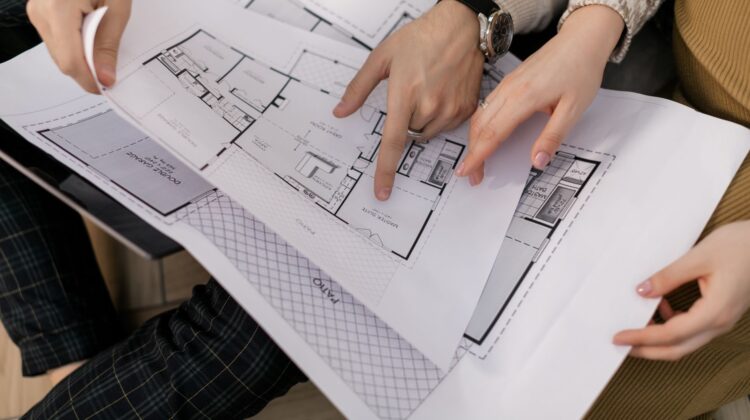
Cost Estimation Techniques for Corporate Office Fitout Planning
Effective cost estimation is vital for successful corporate office fitout planning. It enables business owners, real estate developers, architects, and project stakeholders to forecast budgets accurately and manage resources efficiently throughout the project lifecycle. At AMs Project Consultants Pvt. Ltd., we emphasize precise cost estimation as the foundation of end-to-end project cycle management for commercial office fitouts.
Useful reference: Construction Cost Estimating and Cost Control I | Columbia Plus
Useful reference: Construction Cost Estimator: Best Practices for Accuracy – Texas A&M University College of Architecture
Cost estimation in office fitouts involves detailed analysis of design requirements, procurement strategies, construction methodologies, and coordination among multiple disciplines including MEP and interior design. This article outlines practical techniques to develop reliable cost estimates, helping project owners and corporate administration teams make informed decisions.
Understanding Cost Estimation in Corporate Office Fitout Projects
Cost estimation is the process of forecasting the financial resources required to complete a project within defined scope and quality parameters. For corporate office fitouts, this includes costs related to design management, construction, MEP coordination, procurement, and compliance. Accurate estimation reduces risks of budget overruns and supports better stakeholder coordination.
AMs applies a structured approach combining quantity take-offs, unit rates, market analysis, and historical data to prepare detailed estimates. Early involvement of professional project management consultants ensures technical feasibility reviews and cost control measures are integrated from planning through handover.
Key Cost Estimation Techniques
- Preliminary Estimation: Based on conceptual designs and area rates, this provides a rough budget range during project inception.
- Detailed Quantity Take-Off: Involves itemizing materials, labour, and equipment quantities derived from approved drawings and specifications.
- Unit Rate Analysis: Applying market-driven unit costs to quantities for more precise budgeting.
- Vendor Quotations and Procurement Inputs: Incorporating supplier quotes and procurement strategies to refine cost accuracy.
- Contingency Allocation: Accounting for unforeseen risks and scope changes, typically 5-10% of estimated costs.
Supporting Cost Control and Project Delivery
Cost estimation is closely linked to construction cost management, project scheduling, and quality control. AMs integrates cost tracking with procurement checkpoints and construction audit processes to monitor expenditure against budgets. This coordination is essential in commercial office projects where design changes or MEP complexity can impact costs.
Using a collaborative project management platform enables real-time reporting and stakeholder communication, reducing delays and enhancing transparency.
| Estimation Technique | Purpose | When to Use | Benefits |
|---|---|---|---|
| Preliminary Estimation | Initial budget setting | Concept and feasibility stage | Quick budget range, early decision making |
| Detailed Quantity Take-Off | Accurate material/labour quantification | Design development stage | Improved cost accuracy, basis for tendering |
| Unit Rate Analysis | Cost calculation using market rates | Post design freeze, pre-construction | Reflects current market pricing |
| Vendor Quotations | Procurement cost validation | During procurement phase | Realistic pricing, supplier accountability |
| Contingency Allocation | Risk mitigation | Throughout project lifecycle | Buffers against cost overruns |
Common Mistakes to Avoid in Cost Estimation
- Underestimating scope complexity or design changes
- Ignoring coordination costs for MEP and quality control
- Using outdated or generic unit rates without market validation
- Failing to include contingency or risk allowances
- Delaying professional consultant involvement until after budgeting
When to Involve a Professional Project Management Consultant
Engaging AMs early in the corporate office fitout planning phase ensures comprehensive cost estimation aligned with design and build strategies. Our expertise in construction audit, procurement, and techno-commercial closeout supports clients in avoiding budget pitfalls and managing contract compliance.
Professional consultants facilitate integration of cost management with scheduling and quality assurance, providing a holistic project delivery framework.
What Project Owners Should Check Before Starting Cost Estimation
- Clarity on project scope and design intent
- Availability of detailed drawings and specifications
- Understanding of procurement timelines and vendor capabilities
- Defined quality and safety standards
- Alignment of stakeholder expectations and reporting protocols
Planning vs Execution vs Handover: Cost Estimation Perspectives
During planning, cost estimation focuses on feasibility and budgeting. Execution requires dynamic cost tracking, procurement coordination, and change management. At handover, final cost reconciliation and audit ensure transparency and contractual closure.
AMs supports clients through all phases, ensuring cost estimation evolves with project realities.
Practical Checklist for Corporate Office Fitout Cost Estimation
- Confirm project scope and design freeze status
- Perform detailed quantity take-offs with updated drawings
- Gather current market unit rates and vendor quotations
- Include MEP and interior fitout coordination costs
- Allocate contingency based on risk assessment
- Review estimate with all key stakeholders
- Establish cost tracking and reporting mechanisms
- Plan for periodic cost audits during execution
For a comprehensive approach to corporate office fitout cost estimation and project delivery, consider consulting AMs Project Consultants Pvt. Ltd. Our expertise spans built-to-suit projects, design management, procurement, and quality compliance to support your project success. How Schedule Control Impacts Corporate Office Fitout Timelines
FAQs on Cost Estimation for Corporate Office Fitouts
What factors most influence cost estimation accuracy in office fitouts?
Design complexity, MEP integration, procurement strategies, and market price fluctuations significantly impact estimate accuracy.
How early should cost estimation start in a corporate office fitout project?
Ideally, cost estimation begins during the conceptual design phase to guide budgeting and feasibility decisions.
Can cost estimation help control project risks?
Yes, by allocating contingencies and integrating risk assessments, cost estimation supports proactive risk management.
What role do professional consultants play in cost estimation?
Consultants provide technical feasibility, market insights, cost control systems, and coordination expertise to improve estimate reliability.
How often should cost estimates be updated during a project?
Estimates should be reviewed and updated at key milestones: design freeze, procurement, construction start, and at major scope changes.
What documentation supports accurate cost estimation?
Approved drawings, specifications, BOQs, vendor quotes, and historical cost data are essential for precision.
How does cost estimation integrate with project scheduling?
Cost estimation aligns with scheduling by linking budget forecasts to timelines, procurement phases, and construction activities for efficient resource allocation.
For further insights on project delivery and construction management, explore How to Manage Handover Risks in Corporate Office Fitout Projects.