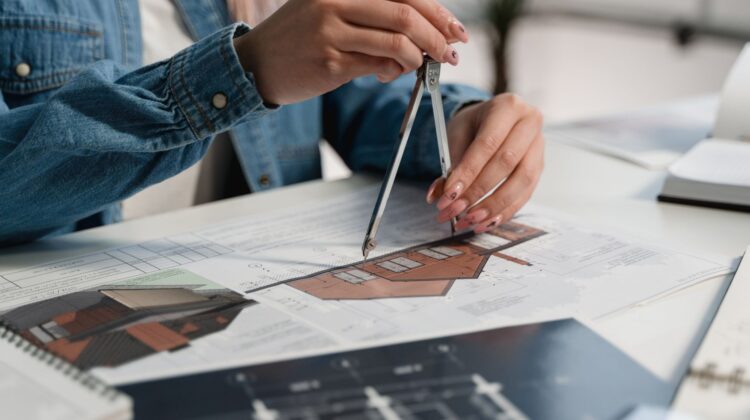
Effective Project Management Strategies for Commercial Construction Success
Cost Management helps project owners plan, coordinate and control construction work with clearer responsibilities, better reporting and structured project delivery.
Useful reference: OSHA Construction Industry Guidance
Useful reference: PMI Construction Extension to the PMBOK Guide
Cost Management: What Project Owners Should Know
Project management is the backbone of successful commercial construction projects. It involves coordinating multiple stakeholders, managing timelines, controlling costs, and ensuring quality and safety compliance throughout the project lifecycle. For business owners, real estate developers, architects, and construction stakeholders, understanding effective project management strategies can mean the difference between a smooth project delivery and costly delays or disputes.
At AMs Project Consultants Pvt. Ltd., we emphasize a practical approach to construction project management that integrates design management, procurement, MEP coordination, and construction audit to optimize commercial, industrial, institutional, and warehousing projects. This article explores key strategies that professional project management consultants recommend for achieving project success in complex commercial construction environments.
Construction Project Management: Key Strategies for Commercial Projects
Effective construction project management starts with comprehensive project planning. This includes defining scope, establishing timelines, and setting realistic budgets. At AMs, we advocate for early technical feasibility studies and design coordination to identify potential risks and cost drivers before execution begins. This proactive approach reduces surprises during construction and aligns stakeholder expectations.
Scheduling and resource allocation are critical. Detailed construction planning with milestone tracking ensures timely procurement and contractor mobilization. Regular progress reporting and quality checks help maintain compliance with safety and statutory requirements. Our team also integrates MEP coordination early in the schedule to avoid clashes and rework during site execution.
Project Delivery Models and Their Impact on Management
Choosing the right project delivery method influences how project management is structured. Design and build, built-to-suit, and traditional construction management each require different coordination and contract management approaches. AMs specializes in end-to-end project cycle management, tailoring strategies to the delivery model to optimize cost management and stakeholder coordination.
Cost Management and Procurement Control
Cost control is a vital aspect of project management consultancy. AMs emphasizes transparent cost tracking, budget variance analysis, and procurement checkpoints to ensure materials and services meet quality and price expectations. Construction audit processes provide an additional layer of financial and compliance assurance, helping clients avoid overruns and contractual disputes.
Quality, Safety, and Compliance Monitoring
Maintaining quality and safety standards throughout the project requires systematic inspections and documentation. AMs integrates quality control plans with safety audits and compliance checks to align with statutory and contractual requirements. This reduces risks and supports a smooth handover process.
Stakeholder Coordination and Communication
Successful project management depends on clear communication between owners, architects, contractors, and consultants. AMs facilitates regular coordination meetings, progress updates, and issue resolution sessions. This collaborative approach ensures all parties are aligned and informed, minimizing conflicts and delays.
Planning vs Execution vs Handover: Managing Each Phase
Understanding the distinct challenges of planning, execution, and handover phases is essential. During planning, AMs focuses on design management and procurement strategy. Execution involves site supervision, MEP coordination, and quality assurance. The handover phase includes snagging, documentation, and techno-commercial closeout to ensure the facility meets operational requirements.
Common Mistakes to Avoid in Construction Project Management
- Underestimating project complexity and scope changes
- Inadequate stakeholder communication and documentation
- Poor scheduling leading to resource conflicts
- Ignoring early MEP coordination causing rework
- Neglecting construction audit and cost tracking
- Overlooking safety and compliance checkpoints
When to Involve a Professional Project Management Consultant
Engaging a consultant like AMs early in the project lifecycle can mitigate risks and improve project outcomes. Professional project management consultancy is particularly valuable for complex commercial projects requiring integrated design and build, cost management, and multi-disciplinary coordination.
What Project Owners Should Check Before Starting
- Clear project scope and objectives
- Feasibility and design readiness
- Defined budget and contingency plans
- Procurement strategy and vendor selection
- Compliance with statutory approvals
- Risk management and quality control plans
Practical Construction Project Management Checklist
| Phase | Key Activities | Responsible Stakeholders | Documentation |
|---|---|---|---|
| Planning | Scope definition, feasibility study, design coordination, budget setting | Project owner, PMC, architects | Project brief, feasibility report, design drawings, budget estimates |
| Procurement | Vendor selection, tendering, contract awarding, material scheduling | Procurement team, PMC, contractors | Contracts, purchase orders, delivery schedules |
| Execution | Site supervision, MEP coordination, quality and safety audits, progress reporting | PMC, contractors, safety officers | Daily reports, inspection checklists, compliance certificates |
| Handover | Snagging, documentation, techno-commercial closeout, client training | PMC, project owner, contractors | Handover certificates, manuals, warranties |
FAQs on Construction Project Management
What are the main benefits of hiring a project management consultant for commercial construction?
A project management consultant provides expertise in coordinating complex activities, managing costs, ensuring quality and safety, and facilitating stakeholder communication to improve project outcomes.
How does MEP coordination impact construction project management?
Early MEP coordination prevents clashes between mechanical, electrical, and plumbing systems, reducing rework, delays, and cost overruns during construction execution.
What is the role of construction audit in project management?
Construction audit reviews financial, quality, and compliance aspects to identify risks, ensure contractual adherence, and support transparent cost management.
When should project owners involve a PMC in their commercial project?
Engage a PMC during initial planning or design stages to benefit from technical feasibility assessments, procurement strategy, and integrated project delivery management.
How can project owners prepare before starting a commercial construction project?
Owners should clarify project scope, budget, design readiness, procurement plans, and compliance requirements to set a solid foundation for project success.
What are common pitfalls in construction project management to avoid?
Common mistakes include poor communication, inadequate scheduling, neglecting cost tracking, ignoring safety protocols, and late MEP coordination.
How does AMs support built-to-suit and design-build commercial projects?
AMs offers end-to-end project cycle management, integrating design, procurement, construction management, and quality control tailored to client-specific requirements.
Effective construction project management requires a structured approach combining planning, execution, and handover with strong stakeholder coordination. By leveraging professional consultancy from AMs Project Consultants Pvt. Ltd., project owners and stakeholders can navigate complexities and enhance the chances of delivering successful commercial construction projects.
For more insights on construction planning and cost management, visit Productivity Improvement Strategies for Commercial Construction Projects to explore detailed resources. Additionally, learn about quality and safety best practices at Effective Process Management Strategies for Commercial Construction Projects to ensure compliance and risk mitigation throughout your project.