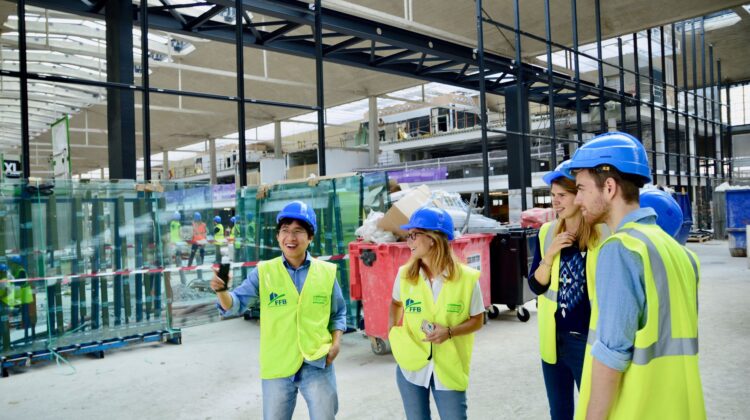
Effective Safety Monitoring Strategies for Construction Project Success
Cost Management helps project owners plan, coordinate and control construction work with clearer responsibilities, better reporting and structured project delivery.
Useful reference: OSHA Construction Industry Guidance
Useful reference: PMI Construction Extension to the PMBOK Guide
Cost Management: What Project Owners Should Know
Safety monitoring is a critical component in construction project management that ensures the wellbeing of workers and the successful delivery of projects. At AMs Project Consultants Pvt. Ltd., we emphasize safety monitoring as part of our comprehensive construction project management consultancy services. This article explores practical safety monitoring strategies tailored for commercial, industrial, and institutional construction projects.
Implementing robust safety monitoring systems helps project owners, architects, facility heads, and procurement teams mitigate risks and maintain compliance throughout the project lifecycle. Early identification of hazards and continuous oversight minimize delays and cost overruns related to accidents or regulatory penalties.
Safety Monitoring in Construction Project Management
Safety monitoring in construction project management involves systematic observation, documentation, and evaluation of safety practices on site. It integrates with other project management functions such as quality control, MEP coordination, and procurement to create a secure working environment. AMs focuses on embedding safety monitoring within end-to-end project cycle management, ensuring that safety is not an afterthought but a continuous priority.
Key elements include regular site inspections, real-time hazard reporting, worker training documentation, and compliance audits. These activities require coordination between contractors, safety officers, and project managers to maintain transparency and accountability.
Integrating Safety Monitoring with Project Delivery Phases
Safety monitoring must be planned from project initiation through execution to handover. During the planning phase, risk assessments identify potential safety challenges specific to the project type, such as commercial office fit-outs or industrial warehouse construction. This informs the development of safety protocols and emergency response plans.
In execution, daily safety briefings, equipment checks, and incident tracking are essential. AMs consultants recommend digital tools for real-time monitoring and documentation, which improve communication among stakeholders and facilitate timely corrective actions.
At handover, safety documentation and compliance reports are reviewed to ensure all safety standards were met. This final review supports regulatory approvals and smooth project closeout.
Common Safety Monitoring Tools and Techniques
- Site Safety Audits: Scheduled and surprise audits assess adherence to safety standards and identify non-compliance.
- Checklists: Customized safety checklists guide daily inspections and ensure no aspect is overlooked.
- Incident Reporting Systems: Digital platforms for logging and analyzing accidents or near-misses help in proactive risk management.
- Training Records: Monitoring worker certifications and refresher training supports competency and awareness.
- Stakeholder Coordination: Regular safety meetings involving contractors, PMC teams, and client representatives foster shared responsibility.
Practical Safety Monitoring Checklist for Construction Projects
| Checklist Item | Description | Frequency |
|---|---|---|
| Personal Protective Equipment (PPE) | Ensure all workers wear required PPE for their tasks | Daily |
| Site Access Control | Verify authorized personnel only on site | Daily |
| Equipment Inspection | Check machinery and tools for defects or hazards | Weekly |
| Hazard Identification | Identify and mark potential safety risks | Weekly |
| Safety Training Updates | Confirm completion of required safety training | Monthly |
| Incident Log Review | Analyze reports and implement preventive measures | Monthly |
Common Mistakes to Avoid in Safety Monitoring
- Neglecting early-stage risk assessments leading to unforeseen hazards.
- Inadequate documentation of safety checks and incidents.
- Poor communication between PMC, contractors, and clients on safety issues.
- Overlooking training and competency verification of site personnel.
- Failing to update safety protocols based on project changes or incidents.
When to Involve a Professional Project Management Consultant
Project owners should engage professional consultants like AMs early in the project to integrate safety monitoring with project planning, cost management, and design coordination. Consultants bring expertise in regulatory compliance, risk mitigation, and stakeholder coordination, which are vital for complex commercial or industrial projects. Early involvement ensures safety considerations influence procurement, construction audit, and MEP coordination, reducing costly rework or delays.
AMs also supports clients during construction audit and techno-commercial closeout phases to verify safety compliance and documentation completeness.
What Project Owners Should Check Before Starting Safety Monitoring
- Confirm applicable safety regulations and standards for the project location and type.
- Ensure clarity on roles and responsibilities for safety management among contractors and consultants.
- Review existing safety policies and update them to fit project-specific risks.
- Plan for regular safety training and refreshers tailored to site conditions.
- Establish communication protocols for reporting and addressing safety concerns promptly.
Comparing Safety Monitoring Approaches: Manual vs Digital
| Aspect | Manual Safety Monitoring | Digital Safety Monitoring |
|---|---|---|
| Data Recording | Paper-based forms and logs | Mobile apps and cloud databases |
| Real-Time Updates | Limited, delayed reporting | Immediate alerts and notifications |
| Data Analysis | Manual compilation and review | Automated analytics and dashboards |
| Accessibility | Physical presence required | Remote access for all stakeholders |
| Cost | Lower initial cost but labor-intensive | Higher upfront investment, greater efficiency |
AMs recommends adopting digital safety monitoring tools for projects with multiple contractors or complex MEP coordination requirements to enhance oversight and stakeholder communication.
Conclusion
Effective safety monitoring is indispensable for construction project success, especially in commercial, industrial, and institutional projects managed by AMs Project Consultants Pvt. Ltd. Integrating safety with project management functions like procurement, construction audit, and MEP coordination ensures a safer site and smoother project delivery. Project owners and stakeholders should prioritize early planning, continuous monitoring, and professional consultancy support to mitigate risks and uphold compliance.
For comprehensive construction project management consultancy that includes safety monitoring and more, consider AMs as your trusted partner. Quality Management Strategies for Effective Construction Project Monitoring offers further insights on project delivery excellence, while Effective Construction Monitoring for Successful Project Delivery details cost management strategies that complement safety efforts.
Frequently Asked Questions
What is the role of safety monitoring in construction project management?
Safety monitoring ensures continuous oversight of site safety practices, hazard identification, and compliance to protect workers and support successful project delivery.
How does AMs integrate safety monitoring with other project management services?
AMs embeds safety monitoring within end-to-end project cycle management, coordinating with design management, procurement, construction audit, and MEP coordination to maintain a safe and compliant site.
When should safety monitoring start in a construction project?
Safety monitoring should begin during the planning phase with risk assessments and continue through execution to handover, ensuring safety protocols evolve with the project.
What are common mistakes to avoid in safety monitoring?
Common mistakes include poor documentation, lack of communication, ignoring training needs, and failing to update safety plans based on incidents or project changes.
Why is digital safety monitoring preferred over manual methods?
Digital monitoring provides real-time data, better accessibility, automated analysis, and improved communication, which are crucial for complex construction projects.
How can project owners ensure effective safety monitoring?
Project owners should define clear roles, enforce training, use appropriate tools, and engage professional consultants early to implement structured safety monitoring.
What safety documentation is required at project handover?
Documentation includes safety audit reports, incident logs, training records, compliance certificates, and any corrective action records to verify adherence to safety standards.