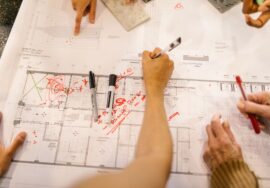
Performance Management Strategies for Construction Project Success
Cost Management helps project owners plan, coordinate and control construction work with clearer responsibilities, better reporting and structured project delivery.
Useful reference: OSHA Construction Industry Guidance
Useful reference: PMI Construction Extension to the PMBOK Guide
Cost Management: What Project Owners Should Know
Performance management is a critical component in achieving operational excellence in construction project management. For business owners, real estate developers, architects, and other stakeholders, understanding how to implement effective performance management can streamline project delivery, control costs, and ensure quality outcomes. This article focuses on practical strategies for performance management tailored specifically to commercial, industrial, institutional, and built-to-suit construction projects.
Performance management in construction project management involves continuous monitoring and controlling of project activities from planning through execution to handover. It integrates cost management, design coordination, procurement, MEP coordination, quality control, safety compliance, and stakeholder communication. AMs Project Consultants Pvt. Ltd. specializes in end-to-end project cycle management, ensuring these elements align to meet project goals without overpromising timelines or outcomes.
Understanding Performance Management in Construction Project Management
Effective performance management requires clear project planning, scheduling, and resource allocation. At AMs, we emphasize the importance of establishing measurable performance indicators early in the project lifecycle. These indicators include schedule adherence, cost tracking, quality benchmarks, safety compliance, and procurement milestones. Monitoring these metrics allows project owners and teams to identify risks and implement corrective actions promptly.
For example, during a corporate office fit-out project, real-time tracking of contractor progress against the baseline schedule, combined with MEP coordination and design management, helps maintain alignment with project objectives. This reduces delays and cost overruns while ensuring quality standards are met.
Key Components of Construction Project Performance Management
- Project Planning and Scheduling: Detailed work breakdown structures and realistic timelines form the foundation for performance measurement.
- Cost Management: Continuous budget monitoring and cost control prevent financial deviations.
- Design and Build Coordination: Managing design changes and integrating them with construction activities minimize rework.
- Procurement and Supply Chain Management: Timely procurement and vendor management avoid material delays.
- MEP Coordination: Synchronizing mechanical, electrical, and plumbing installations reduces clashes and improves efficiency.
- Quality Control and Safety Compliance: Regular inspections and audits ensure adherence to standards and statutory requirements.
- Stakeholder Communication: Transparent reporting and coordination among architects, contractors, and owners facilitate informed decision-making.
Performance Management Strategies for Project Delivery
Implementing performance management strategies involves three key phases: planning, execution, and handover. Each phase demands specific focus areas to ensure project success.
Planning Phase
During planning, it is essential to define scope, set realistic goals, and establish performance benchmarks. Engage a professional project management consultant like AMs early to validate technical feasibility, develop cost estimates, and prepare risk mitigation plans. This stage also includes preparing procurement schedules and coordinating design management to align with project timelines.
Execution Phase
Execution requires rigorous monitoring of contractor activities, quality checks, safety audits, and cost tracking. Use construction audit techniques to identify deviations and address them quickly. Effective MEP coordination during this phase prevents installation conflicts and delays. Regular stakeholder meetings help maintain transparency and manage expectations.
Handover Phase
The handover phase includes final inspections, snagging, compliance checks, and documentation. Techno-commercial closeout ensures all contractual obligations are met and helps avoid disputes. A structured handover checklist supports smooth transition to facility management teams.
Common Mistakes to Avoid in Performance Management
- Neglecting early involvement of professional project management consultancy leading to inadequate risk assessment.
- Failing to update performance metrics regularly, causing delayed detection of issues.
- Overlooking coordination between design, procurement, and construction teams, resulting in rework.
- Ignoring safety and quality audits, risking compliance violations.
- Poor communication among stakeholders causing misunderstandings and delays.
When to Involve a Professional Project Management Consultant
Engaging AMs Project Consultants Pvt. Ltd. early in your project helps establish robust performance management systems. Our expertise in design and build, construction audit, cost management, and MEP coordination supports complex commercial and industrial projects. Professional consultants assist in technical feasibility studies, procurement strategies, risk controls, and ensuring quality and safety compliance.
Performance Management Checklist for Construction Projects
| Task | Responsible Party | Timing | Notes |
|---|---|---|---|
| Define project scope and KPIs | Project Owner, PMC | Planning Phase | Include schedule, cost, quality, safety metrics |
| Develop detailed project schedule | PMC, Contractors | Planning Phase | Use realistic timelines and milestones |
| Prepare cost estimates and budget | Cost Management Team | Planning Phase | Include contingencies |
| Coordinate design and build activities | Design Manager, PMC | Planning & Execution | Manage design changes promptly |
| Monitor procurement progress | Procurement Team | Execution Phase | Track vendor deliveries and approvals |
| Conduct regular quality and safety audits | Quality & Safety Team | Execution Phase | Document findings and corrective actions |
| Hold stakeholder coordination meetings | PMC | Throughout Project | Ensure transparent communication |
| Perform construction audit | Construction Audit Team | Execution Phase | Identify and mitigate risks |
| Complete handover documentation | PMC, Facility Management | Handover Phase | Include snag lists and compliance certificates |
Conclusion
Performance management is vital for the successful delivery of construction projects across commercial, industrial, and institutional sectors. By integrating detailed planning, cost control, design coordination, procurement oversight, MEP synchronization, quality and safety audits, and stakeholder communication, project owners can mitigate risks and improve outcomes. AMs Project Consultants Pvt. Ltd. offers expert consultancy to help navigate these complexities with practical, tailored strategies. For professional support that aligns with your operational excellence goals, consider involving a project management consultant early in your project lifecycle.
Frequently Asked Questions
What is the role of performance management in construction project management?
Performance management ensures that all project activities are monitored and controlled to meet schedule, cost, quality, and safety objectives, reducing risks and improving delivery outcomes.
How does AMs support performance management in commercial projects?
AMs provides end-to-end consultancy including project planning, cost management, design coordination, procurement, construction audit, and MEP coordination to maintain project performance standards.
What are common challenges in construction performance management?
Challenges include poor communication, inadequate risk assessment, lack of real-time monitoring, and insufficient coordination between design, procurement, and construction teams.
When should a project owner involve a project management consultant?
Early involvement during project planning ensures technical feasibility, realistic scheduling, cost control, and risk mitigation, improving chances of project success.
How can performance management improve cost control?
By continuously tracking budget against actual expenses and identifying deviations early, performance management helps prevent cost overruns.
What is the importance of MEP coordination in performance management?
MEP coordination prevents installation conflicts, reduces rework, and ensures timely completion of mechanical, electrical, and plumbing systems within the project timeline.
How does construction audit contribute to performance management?
Construction audits assess compliance with quality, safety, and contractual requirements, identifying risks and enabling corrective actions to keep the project on track.
For more detailed insights on construction project management consultancy, visit Effective Risk Control Strategies for Construction Project Success. To explore cost management strategies within construction projects, see Effective Site Monitoring Strategies for Construction Project Success.