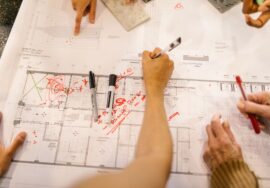
Cost Management in Construction: Strategies for Effective Project Control
Cost Management in Construction
Cost management in construction is a critical process that ensures projects are completed within budget while maintaining quality and timelines. Effective cost management in construction helps businesses control expenses, minimize risks, and maximize profitability.
What Is Cost Management in Construction?
Cost management in construction involves planning, estimating, budgeting, financing, and controlling project costs. It ensures that resources are used efficiently throughout the project lifecycle.
By implementing proper cost management, companies can avoid cost overruns and deliver projects successfully.
Key Components of Cost Management in Construction
1. Cost Estimation
Cost estimation is the first step in cost management. It involves predicting the total cost required for a project.
Types of Cost Estimates:
- Preliminary estimates
- Detailed estimates
- Quantity take-offs
Accurate estimation helps in setting realistic budgets and avoiding financial issues.
2. Budget Planning
Budget planning allocates financial resources to different project activities. This stage of cost management ensures that funds are distributed efficiently.
Benefits:
- Prevents overspending
- Improves financial control

3. Cost Control
Cost control monitors expenses and ensures they stay within the approved budget. It is a vital part of cost management.
Techniques Used:
- Variance analysis
- Cost tracking systems
- Performance monitoring
4. Cost Reporting
Regular reporting provides insights into project financial performance. This aspect of cost management helps stakeholders make informed decisions.
Includes:
- Budget vs actual reports
- Forecast updates
- Financial summaries
Importance of Cost Management
Effective cost management offers several advantages:
- Improved Profitability: Reduces unnecessary expenses
- Better Decision-Making: Provides accurate financial data
- Risk Mitigation: Identifies potential cost overruns early
- Efficient Resource Utilization: Ensures optimal use of materials and labor
For professional assistance in managing construction costs, visit:
👉 https://amsindia.co.in/contact-us/
Techniques for Effective Cost Management
Use Advanced Software
Modern tools help automate budgeting and tracking, improving accuracy in cost management.
Implement Value Engineering
Value engineering focuses on reducing costs without compromising quality.
Monitor Project Progress
Regular monitoring ensures that deviations are identified and corrected early.
Optimize Resource Allocation
Efficient use of labor, materials, and equipment is key to successful cost management.
Challenges in Construction Cost Management
Despite its importance, cost management aces several challenges:
- Fluctuating material prices
- Labor shortages
- Project delays
- Inaccurate estimates
Addressing these challenges requires proper planning and flexible strategies.
External Resource for Industry Insights
For more information on construction and infrastructure development in India, visit:
👉 https://www.niti.gov.in/
Best Practices for Cost Management
Regular Audits
Conduct financial audits to ensure transparency and accuracy.
Risk Management
Identify and mitigate risks that may impact project costs.
Collaboration
Effective communication among stakeholders improves cost control.
Conclusion
Cost management is essential for delivering projects on time and within budget. By focusing on estimation, budgeting, control, and reporting, businesses can achieve better financial outcomes.
Implementing strong cost management practices helps reduce risks, improve efficiency, and ensure long-term success in the competitive construction industry.
Read more related articles to enhance your knowledge and make informed decisions
Cost-Effective Modular Construction: Fast, and Sustainable Building Solutions
Smart Modular Buildings: Innovative, Efficient, and Sustainable Construction