
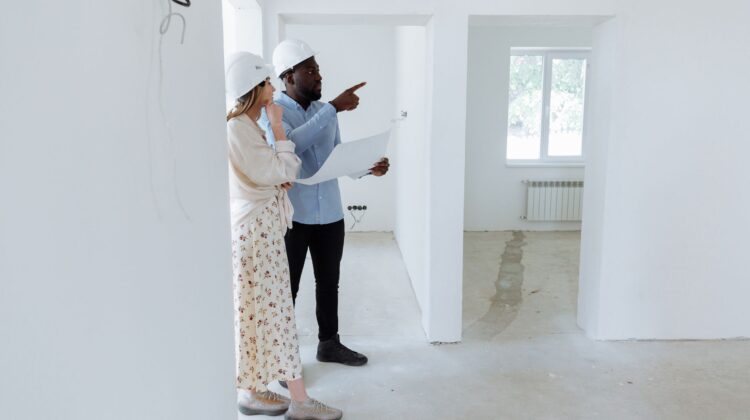
Effective Planning Monitoring Strategies for Construction Project Success
Cost Management helps project owners plan, coordinate and control construction work with clearer responsibilities, better reporting and structured project delivery.
Useful reference: OSHA Construction Industry Guidance
Useful reference: PMI Construction Extension to the PMBOK Guide
Planning monitoring is a critical process in construction project management that ensures projects stay on track, within budget, and aligned with design and compliance standards. For business owners, real estate developers, architects, and other stakeholders, understanding effective planning monitoring strategies can significantly improve project delivery outcomes.
At AMs Project Consultants Pvt. Ltd., we emphasize the importance of integrating planning monitoring into every phase of the project cycle. This article explores how focused planning monitoring supports commercial, industrial, institutional, and warehousing projects through expert project management consultancy.
Understanding Planning Monitoring in Construction Project Management
Planning monitoring involves continuous oversight of project schedules, cost controls, quality benchmarks, and risk mitigation efforts. It bridges the gap between project planning and execution by tracking progress against predefined milestones and making timely adjustments.
In construction, this means coordinating design management, procurement, MEP coordination, and construction supervision to ensure alignment with overall project goals. Effective planning monitoring helps identify bottlenecks early, control costs, and maintain quality and safety compliance.
Key Components of Planning Monitoring
- Schedule Tracking: Using tools like Gantt charts and critical path method (CPM) to monitor timeline adherence.
- Cost Management: Regularly reviewing budgets, expenditures, and procurement status to avoid overruns.
- Quality and Safety Checks: Ensuring construction meets design specifications and safety standards.
- Stakeholder Coordination: Facilitating communication between contractors, consultants, and clients.
- Risk Management: Identifying potential delays, compliance issues, or technical challenges early.
Planning Monitoring vs Execution vs Handover
Planning monitoring is distinct but closely linked to execution and handover phases. During execution, monitoring ensures work aligns with plans and quality standards. At handover, it verifies that deliverables meet contractual and technical requirements, facilitating smooth project closeout.
AMs’ approach integrates these phases through continuous reporting and audit to support decision-making and stakeholder confidence.
Common Planning Monitoring Tools and Techniques
AMs utilizes a combination of digital project management software, regular site inspections, and detailed reporting templates to maintain transparency and control. Key tools include:
- Project scheduling software with real-time updates
- Cost tracking dashboards linked to procurement and vendor payments
- Quality audit checklists and safety compliance logs
- MEP coordination meetings and design review sessions
Practical Checklist for Effective Planning Monitoring
| Task | Frequency | Responsible |
|---|---|---|
| Review project schedule and update milestones | Weekly | Project Manager |
| Cost variance analysis and budget review | Biweekly | Cost Manager |
| Site quality and safety inspections | Weekly | Quality & Safety Officer |
| Stakeholder coordination meetings | Biweekly | PMC Consultant |
| MEP coordination and design validation | Monthly | Design Manager |
Common Mistakes to Avoid in Planning Monitoring
- Ignoring early warning signs of schedule delays or cost overruns.
- Failing to integrate procurement status with project timelines.
- Overlooking quality and safety compliance during routine checks.
- Insufficient stakeholder communication leading to misaligned expectations.
- Delaying professional PMC involvement until issues escalate.
When to Involve a Professional Project Management Consultant
Engaging a professional PMC like AMs early in the project lifecycle ensures robust planning monitoring frameworks are established. This involvement is crucial during design finalization, procurement strategy, execution oversight, and handover audits.
Professional consultants bring expertise in techno-commercial closeout, construction audit, and compliance management, reducing risks and enhancing project transparency.
What Project Owners Should Check Before Starting Planning Monitoring
- Clarity on project scope, design, and deliverables.
- Defined roles and responsibilities for all stakeholders.
- Established baseline schedule and budget approved by all parties.
- Access to real-time project data and reporting tools.
- Risk registers and contingency plans.
Comparison Table: Planning Monitoring vs Cost Management vs Quality Control
| Aspect | Planning Monitoring | Cost Management | Quality Control |
|---|---|---|---|
| Focus | Schedule and progress tracking | Budget and expenditure control | Compliance with design and safety standards |
| Key Activities | Milestone reviews, stakeholder coordination | Cost variance analysis, procurement tracking | Site inspections, defect rectification |
| Responsible Roles | Project Manager, PMC | Cost Manager, Procurement Team | Quality & Safety Officer |
| Outcome | Timely project delivery | Budget adherence | Safe and compliant construction |
Conclusion
Effective planning monitoring is indispensable for successful construction project delivery. It ensures projects remain aligned with schedule, budget, quality, and compliance objectives. For commercial, industrial, institutional, and warehousing projects, AMs Project Consultants Pvt. Ltd. offers expert consultancy to embed these strategies seamlessly into your project lifecycle.
By avoiding common pitfalls and leveraging professional expertise, project owners and stakeholders can enhance transparency, reduce risks, and improve overall project outcomes.
For more insights on construction project management, visit Effective Project Management Strategies for Construction Project Monitoring to explore related topics. Additionally, learn about cost management strategies at Effective Cost Monitoring Strategies for Construction Project Success to complement your planning monitoring efforts.
FAQs on Planning Monitoring
What is the primary goal of planning monitoring in construction?
The primary goal is to track project progress against the plan, ensuring timelines, costs, and quality standards are maintained.
How often should planning monitoring activities be conducted?
Monitoring should be continuous, with formal reviews weekly or biweekly depending on project complexity.
What role does MEP coordination play in planning monitoring?
MEP coordination ensures mechanical, electrical, and plumbing systems are integrated on schedule and meet design specifications, critical for overall project success.
Can planning monitoring prevent cost overruns?
While it cannot guarantee prevention, effective planning monitoring identifies early signs of cost deviations, allowing corrective actions.
When is the best time to hire a project management consultant?
Engage a PMC early during project planning to establish robust monitoring frameworks and maintain control throughout execution and handover.
How does planning monitoring support project handover?
It verifies that all deliverables meet contract and quality requirements, facilitating smooth project closeout and client acceptance.
What common mistakes should be avoided in planning monitoring?
Avoid neglecting stakeholder communication, ignoring schedule delays, and delaying professional oversight until issues escalate.