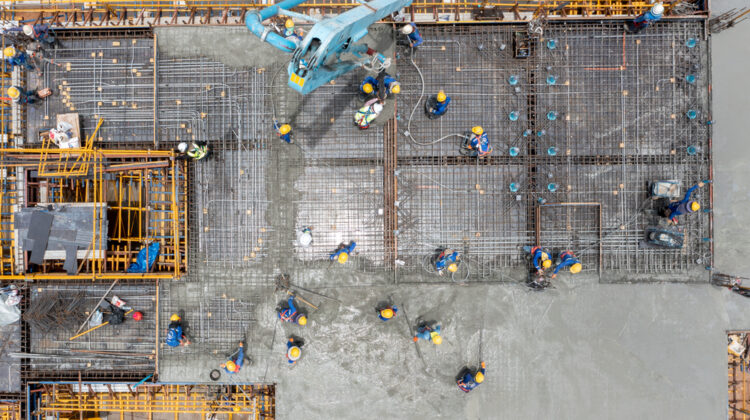
Future of Construction Industry in India: Trends, Growth & Opportunities
Future of Construction Industry in India
The future of the construction industry in India looks highly promising, driven by rapid urbanization, government investments, and technological advancements. As the country moves toward becoming a global economic powerhouse, the construction sector is expected to play a key role in infrastructure development, housing, and industrial growth.
India’s construction market is projected to grow significantly, reaching ₹25+ trillion in 2026, supported by strong demand across residential, commercial, and infrastructure sectors.
Growth Drivers of Construction Industry in India
1. Government Infrastructure Investment
Massive investments in roads, metros, smart cities, and logistics are boosting construction activity. Public-private partnerships (PPP) are also increasing, creating more opportunities.
Despite some short-term slowdowns in sectors like highways, long-term infrastructure demand remains strong.
2. Urbanization and Housing Demand
India’s growing urban population is increasing the demand for affordable housing, smart homes, and urban infrastructure.
Projects like PMAY (Housing for All) and smart city initiatives are shaping the future of urban construction.
3. Industrial and Manufacturing Growth
The rise of manufacturing hubs, industrial corridors, and data centers is driving demand for commercial and industrial construction.
Sectors like semiconductors, logistics, and warehousing are major contributors to future growth.
Key Trends Shaping the Future
1. Digital Transformation in Construction
Technologies like AI, BIM, IoT, and digital twins are transforming the construction process.
Recent developments show that AI is improving project planning, design, and management efficiency across India’s real estate sector.
2. Sustainable and Green Construction
Sustainability is becoming a core focus, with increased use of eco-friendly materials, energy-efficient systems, and green certifications.
Green buildings are now seen as long-term investments rather than optional features.
3. Modular and Prefabricated Construction
Pre-engineered and modular buildings are gaining popularity due to faster construction, cost efficiency, and reduced waste.
This trend is especially important for large-scale infrastructure and industrial projects.

4. Smart and Energy-Efficient Buildings
Smart buildings with automation, IoT integration, and energy management systems are becoming the future of urban construction.
5. Rise of Data Centers and Digital Infrastructure
The demand for digital infrastructure, including data centers, is growing rapidly due to digitalization and cloud computing.
Opportunities in the Future Construction Industry
1. Affordable Housing Projects
Government-supported housing schemes will continue to drive large-scale residential construction.
2. Infrastructure Development
Projects in transportation, energy, and urban infrastructure will create long-term opportunities.
3. Green Building Market
The demand for sustainable construction solutions is increasing rapidly in India.
4. Technology-Driven Services
Digital construction tools and smart technologies will open new business opportunities.
Challenges in the Future
While the future is promising, some challenges remain:
- Skilled labor shortages
- Project delays and execution issues
- Rising material costs
- Regulatory complexities
However, digital tools and better project management practices are helping overcome these challenges.
Role of Organizations in India
Organizations like the Indian Green Building Council are promoting sustainable construction practices and green building standards across the country.
Why the Future Looks Strong
India’s construction industry is expected to grow steadily due to:
- Strong government support
- Increasing private investments
- Rapid urbanization
- Adoption of advanced technologies
The industry is also becoming more structured, transparent, and efficient.
Conclusion
The future of the construction industry in India is driven by innovation, sustainability, and large-scale infrastructure development. With advancements in technology and strong policy support, the sector is set to become more efficient, eco-friendly, and globally competitive.
For professional support in conducting stakeholder-focused project audits and reporting, connect here.
Read more related articles to enhance your knowledge and make informed decisions
Cost-Effective Modular Construction: Fast, and Sustainable Building Solutions
Smart Modular Buildings: Innovative, Efficient, and Sustainable Construction