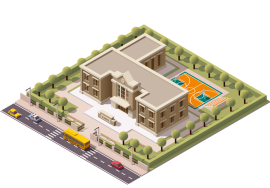
Green Building Materials: Sustainable Choices for Eco-Friendly Construction
Green Building Materials for Sustainable Construction
Green building materials play a crucial role in modern construction by reducing environmental impact and improving efficiency. As the demand for sustainable infrastructure grows, using building materials has become essential for eco-friendly construction. These materials are designed to conserve resources, reduce waste, and create healthier living spaces.
What are Green Building Materials?
Green building materials are environmentally responsible products used in construction. They are sourced sustainably, consume less energy during production, and often come from recycled or renewable resources.
In India, the use of building materials is increasing due to rising awareness about sustainability and environmental protection.
Benefits of Green Building Materials
1. Environmental Protection
Using building materials helps reduce pollution, conserve natural resources, and lower carbon emissions.
2. Energy Efficiency
These materials improve insulation and reduce energy consumption, making buildings more efficient.
3. Cost Savings
Although some materials may have higher upfront costs, they reduce maintenance and energy bills over time.
4. Healthier Living Spaces
Non-toxic and low-emission materials improve indoor air quality and overall well-being.
Types of Green Building Materials
1. Bamboo
Bamboo is one of the most popular building materials due to its rapid growth and strength. It is widely used for flooring, furniture, and structural elements.
2. Recycled Steel
Recycled steel reduces the need for mining and is highly durable, making it ideal for construction.
3. Fly Ash Bricks
Fly ash bricks are made from industrial waste and are a sustainable alternative to traditional clay bricks.
4. Reclaimed Wood
Reclaimed wood is reused from old structures, reducing deforestation and adding aesthetic value.
5. Green Concrete
Green concrete uses industrial by-products to reduce carbon emissions and environmental impact.
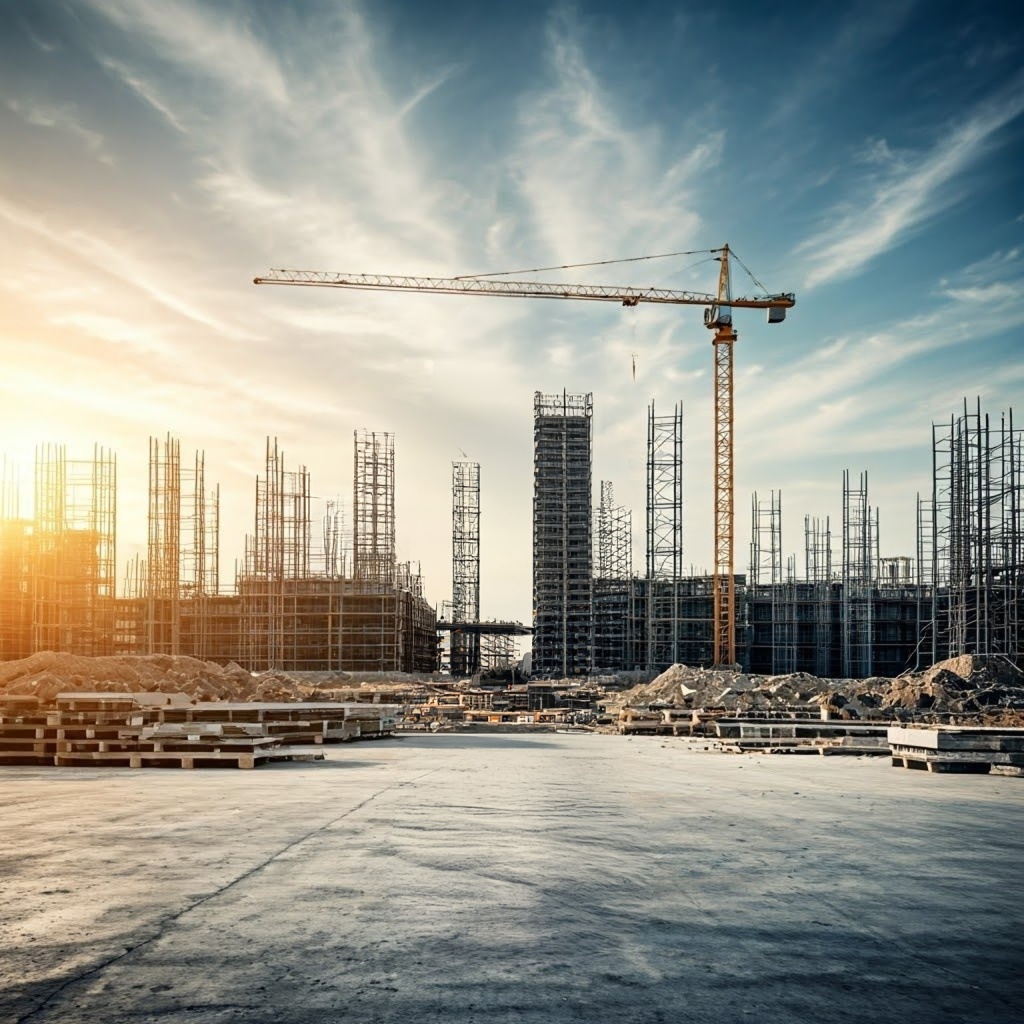
Modern Applications of Building Materials
1. Residential Buildings
Homes built with building materials are energy-efficient and environmentally friendly.
2. Commercial Spaces
Offices and malls are increasingly using sustainable materials to reduce operational costs and carbon footprint.
3. Infrastructure Projects
Large-scale projects like highways and bridges are adopting green materials for durability and sustainability.
Green Building Materials in India
India is witnessing a shift toward sustainable construction practices. Organizations like the Indian Building Council promote the use of eco-friendly materials and green certifications.
You can learn more about sustainable construction initiatives in India here:
https://igbc.in
The adoption of building materials is driven by government policies, environmental concerns, and growing awareness among builders and homeowners.
Why Choose Green Building Materials?
Choosing building materials ensures long-term sustainability and efficiency. They help reduce environmental impact, improve building performance, and create healthier spaces for occupants.
If you are planning a sustainable construction project, expert guidance can help you choose the right materials. Get in touch here:
https://amsindia.co.in/contact-us/
Conclusion
The foundation of eco-friendly construction. By using sustainable and innovative materials, we can build structures that are not only durable but also environmentally responsible. As the construction industry evolves, building materials will continue to play a vital role in shaping a greener future.
For professional support in conducting stakeholder-focused project audits and reporting, connect here.
Read more related articles to enhance your knowledge and make informed decisions
Cost-Effective Modular Construction: Fast, and Sustainable Building Solutions
Smart Modular Buildings: Innovative, Efficient, and Sustainable Construction