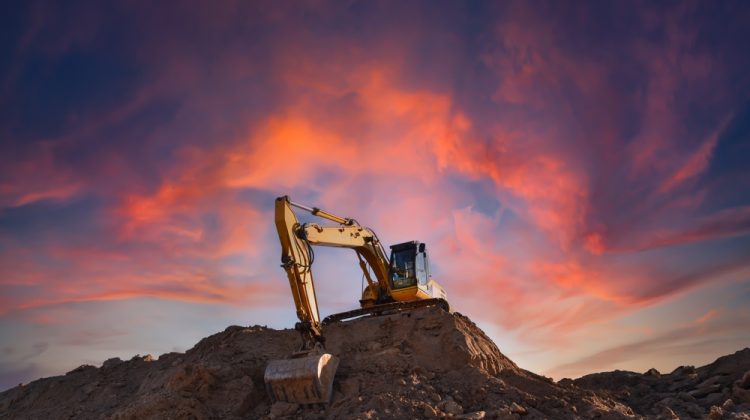
Low Carbon Construction: Sustainable Building Solutions for a Greener Future
Low Carbon Construction: Reducing Emissions in Modern Building
Low carbon construction is becoming a key focus in the building industry as the world moves toward sustainability. With rising environmental concerns, adopting low carbon construction practices is essential to reduce greenhouse gas emissions and minimize environmental impact.
By using innovative materials and energy-efficient methods, low carbon construction helps create buildings that are both sustainable and cost-effective.
What is Low-Carbon Construction?
Low carbon construction refers to building practices that aim to reduce carbon emissions throughout the lifecycle of a project—from material production to construction and operation.
In India, the demand for low-carbon construction is increasing due to environmental regulations and the need for sustainable infrastructure development.
Benefits of Low-Carbon Construction
1. Reduced Carbon Emissions
The primary goal of low-carbon construction is to lower greenhouse gas emissions, helping combat climate change.
2. Energy Efficiency
Buildings are designed to consume less energy through efficient systems and renewable energy integration.
3. Cost Savings
Although initial costs may be higher, low carbon buildings reduce operational and maintenance expenses over time.
4. Sustainable Development
These practices support long-term environmental sustainability and responsible resource use.
Key Materials in Low-Carbon Construction
1. Green Concrete
Green concrete uses industrial by-products to reduce carbon emissions compared to traditional cement.
2. Recycled Steel
Recycled steel minimizes the need for new raw materials and lowers carbon output.
3. Bamboo
Bamboo is a renewable material widely used in low-carbon construction due to its low environmental impact.
4. Fly Ash Bricks
These bricks are made from waste materials and help reduce emissions in construction.

Low-Carbon Construction Techniques
1. Energy-Efficient Design
Designing buildings with proper insulation, ventilation, and natural lighting reduces energy consumption.
2. Renewable Energy Integration
Solar panels and other renewable sources are key components of low-carbon construction.
3. Prefabrication
Off-site construction reduces waste, energy use, and overall carbon footprint.
4. Efficient Waste Management
Recycling and reusing materials help minimize environmental impact.
Low Carbon Construction in India
India is actively promoting sustainable building practices. Organizations like the Indian Green Building Council are encouraging the adoption of low carbon and green construction standards.
You can learn more about sustainability initiatives here:
https://igbc.in
The growth of low-carbon construction in India is driven by government policies, environmental awareness, and increasing demand for eco-friendly buildings.
Why Choose Low Carbon Construction?
Choosing low-carbon construction helps reduce environmental impact while improving building efficiency and long-term savings. It also enhances property value and supports global sustainability goals.
If you are planning a sustainable construction project, expert guidance can help you achieve the best results. Contact professionals here:
https://amsindia.co.in/contact-us/
Conclusion
Low-carbon construction is essential for building a sustainable future. By adopting eco-friendly materials and efficient techniques, we can significantly reduce emissions and create environmentally responsible structures. As the demand for sustainability grows, low-carbon construction will play a vital role in shaping the future of the construction industry.
For professional support in conducting stakeholder-focused project audits and reporting, connect here.
Read more related articles to enhance your knowledge and make informed decisions
Cost-Effective Modular Construction: Fast, and Sustainable Building Solutions
Smart Modular Buildings: Innovative, Efficient, and Sustainable Construction