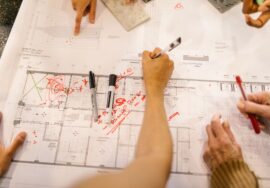
Effective Performance Management for Construction Project Delivery
Performance management is a critical factor in successful construction project delivery. It ensures that every phase, from planning to handover, meets quality, cost, and schedule expectations. For construction stakeholders such as business owners, real estate developers, architects, and procurement teams, understanding how to implement effective performance management can greatly improve project outcomes.
Useful reference: PMI Construction Extension to the PMBOK Guide
Useful reference: Employee or Independent Contractor Classification Under…
At AMs Project Consultants Pvt. Ltd., we emphasize a structured approach to construction project management consultancy. This involves continuous monitoring, coordination, and control across design management, cost management, MEP coordination, and construction audit. This article explores practical methods to enhance performance management in commercial, industrial, institutional, and warehousing projects.
Performance Management in Construction Project Delivery
Performance management in construction involves tracking key project indicators such as schedule adherence, budget compliance, quality standards, safety protocols, and stakeholder coordination. It starts with comprehensive project planning, where timelines, resource allocation, and risk assessments are clearly defined. AMs integrates these elements through end-to-end project cycle management, ensuring that design, procurement, and construction phases align with client objectives.
Regular performance reviews and construction audits help identify deviations early. For example, cost overruns can be detected through detailed cost control reports, while quality issues are flagged during site inspections and MEP coordination checks. This proactive management reduces the risk of delays and costly rework.
Key Components of Effective Performance Management
- Project Planning and Scheduling: Establish realistic timelines and milestones. AMs uses detailed Gantt charts and resource planning to keep projects on track.
- Cost Management and Control: Monitor budgets with transparent reporting. Our cost management systems provide clarity on expenditures and forecast future costs.
- Design and MEP Coordination: Ensure seamless integration of architectural and engineering designs with mechanical, electrical, and plumbing works.
- Quality and Safety Compliance: Implement rigorous site inspections and safety protocols to maintain standards and reduce risks.
- Stakeholder Communication: Facilitate regular coordination meetings and reporting to keep all parties informed and engaged.
Common Mistakes to Avoid in Performance Management
- Neglecting early-stage planning, leading to unrealistic schedules and budgets.
- Failing to coordinate between design and construction teams, causing rework.
- Overlooking MEP integration, resulting in installation conflicts.
- Ignoring quality and safety audits, increasing risk of non-compliance.
- Insufficient communication among stakeholders, causing misalignment.
When to Involve a Professional Project Management Consultant
Engaging a consultant like AMs is crucial when projects involve complex design-build coordination, multiple contractors, or stringent compliance requirements. Early involvement helps establish performance benchmarks and risk mitigation plans. AMs’ expertise in construction audit and procurement ensures transparent processes and technical feasibility assessments, which are vital for commercial and industrial projects.
Planning, Execution, and Handover: Managing Performance Across Project Phases
Performance management varies across project phases:
- Planning: Define scope, budgets, timelines, and compliance requirements. AMs emphasizes thorough feasibility studies and design management.
- Execution: Monitor construction progress, quality, safety, and procurement milestones. Regular site inspections and MEP coordination are key.
- Handover: Conduct final audits, snagging, and documentation to ensure client satisfaction and regulatory compliance.
Each phase requires tailored performance metrics and reporting formats to maintain clarity and accountability.
Performance Management Checklist for Construction Projects
| Task | Responsible Party | Frequency | Notes |
|---|---|---|---|
| Define project milestones and KPIs | Project Owner / PMC | Project start | Align with client objectives |
| Develop detailed project schedule | Project Scheduler / AMs | Planning phase | Include buffer times for risks |
| Cost baseline and budget approval | Cost Manager / Client | Planning phase | Ensure transparency |
| Design and MEP coordination meetings | Design Manager / MEP Consultant | Weekly / Biweekly | Resolve clashes early |
| Site quality and safety inspections | Quality & Safety Officer | Weekly | Document findings |
| Progress reporting and performance reviews | Project Manager / PMC | Monthly | Adjust plans as needed |
| Final audit and handover documentation | PMC / Client | Project completion | Ensure compliance |
How to Choose the Right Performance Management Approach
Construction projects differ in scale and complexity. For commercial office fit-outs, agile performance tracking with frequent client updates may suffice. In contrast, industrial or built-to-suit warehouse projects demand rigorous MEP coordination and construction audit protocols. AMs tailors performance management strategies to project type and client needs, balancing technical feasibility with commercial realities.
Decision points include the level of stakeholder involvement, procurement complexity, and regulatory environment. Effective performance management always integrates clear documentation, transparent communication, and timely risk mitigation.
Conclusion
Effective performance management is indispensable for successful construction project delivery. It requires a disciplined approach to planning, execution, and handover. By focusing on key areas such as cost management, design coordination, MEP integration, quality, and safety, project owners and stakeholders can better control outcomes.
AMs Project Consultants Pvt. Ltd. offers expert construction project management consultancy to ensure these elements are professionally managed throughout the project lifecycle. For business owners, developers, architects, and facility heads, partnering with experienced consultants can help navigate complexities and enhance project performance without over-promising results.
For more detailed insights on project planning and procurement strategies, see Effective Operations Monitoring for Construction Project Success. To understand how construction audit supports project delivery, visit Effective Productivity Monitoring for Construction Project Success.
Frequently Asked Questions
What is performance management in construction?
It is the process of monitoring and controlling project activities to meet time, cost, quality, and safety objectives.
How does AMs support performance management?
AMs provides end-to-end consultancy including cost management, design coordination, MEP integration, and construction audit to optimize project delivery.
When should a project owner engage a PMC?
At the earliest planning stage, especially for complex commercial, industrial, or institutional projects requiring multi-disciplinary coordination.
What are common challenges in construction performance management?
Challenges include poor communication, inadequate planning, design conflicts, and lack of quality or safety oversight.
How does performance management improve project cost control?
By regularly tracking expenditures against budgets and forecasting risks, enabling timely corrective actions.
What role does MEP coordination play in performance management?
MEP coordination prevents clashes and delays by synchronizing mechanical, electrical, and plumbing installations with construction progress.
How is construction audit integrated into performance management?
Construction audits provide objective reviews of compliance, quality, and risk, helping maintain project standards and transparency.