Sustainability in Construction 2026: Building a Greener Future
Sustainability in Construction 2026: Building a Greener Future
Sustainability in construction 2026 is becoming one of the most important priorities for the global infrastructure and real estate industries. Governments, developers, architects, and construction companies are focusing on eco-friendly building practices, energy-efficient designs, and low-carbon construction methods to reduce environmental impact and support long-term urban development.
Modern construction projects now integrate green technologies, renewable energy systems, smart building solutions, and sustainable materials to improve efficiency and environmental responsibility. As climate concerns continue growing, sustainable construction is transforming the future of infrastructure worldwide.
What Is Sustainable Construction?
Sustainable construction refers to designing, building, and managing structures using environmentally responsible methods and resource-efficient technologies throughout the building lifecycle.
Sustainable construction focuses on:
- Reducing carbon emissions
- Improving energy efficiency
- Minimizing construction waste
- Using eco-friendly materials
- Conserving natural resources
- Supporting healthy living environments
Industry experts report that sustainability is no longer considered optional in modern construction projects but a critical business and environmental requirement. (worldgbc.org)
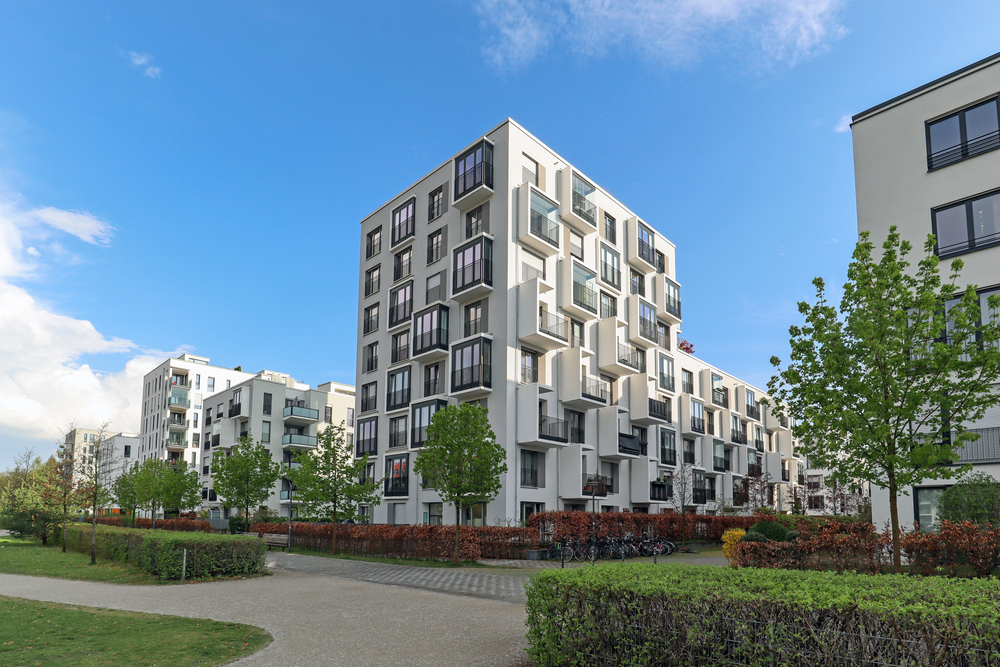
Why Sustainability Matters in Construction in 2026
The construction industry contributes significantly to global carbon emissions, energy consumption, and waste generation. Businesses and governments are now prioritizing green infrastructure to meet environmental goals and sustainability regulations.
Benefits of sustainable construction include:
- Reduced environmental impact
- Lower energy consumption
- Improved building efficiency
- Better indoor air quality
- Reduced operational costs
- Higher property value
- Long-term sustainability compliance
Research shows that net-zero and energy-efficient buildings are becoming central to future urban development strategies. (unep.org)
Key Sustainability Trends in Construction 2026
Green Building Materials
Sustainable construction increasingly relies on environmentally friendly materials that reduce carbon footprints and improve resource efficiency.
Popular sustainable materials include:
- Recycled steel
- Bamboo
- Engineered wood
- Low-carbon concrete
- Recycled insulation materials
These materials help reduce environmental impact while improving construction durability.
Net Zero Buildings
Net zero construction is one of the fastest-growing trends in 2026. Net zero buildings produce as much energy as they consume through renewable energy systems and efficient design.
Key features include:
- Solar energy systems
- Smart energy management
- High-performance insulation
- Energy-efficient HVAC systems
- Water conservation technologies
Industry reports show that governments and businesses are increasingly investing in net zero infrastructure initiatives. (worldgbc.org)
Smart Green Buildings
Smart building technologies are improving sustainability through automation and intelligent energy management systems.
Modern smart buildings use:
- IoT sensors
- Automated lighting systems
- AI-powered climate control
- Smart water management
- Predictive maintenance systems
These technologies help reduce operational waste and improve efficiency.
Construction Waste Management
Construction waste reduction is becoming a major priority for sustainable infrastructure projects.
Modern waste management strategies include:
- Material recycling
- Modular construction
- Reusable construction components
- Digital material tracking
- Lean construction practices
Sustainable waste management helps businesses reduce costs and environmental impact.
Role of Technology in Sustainable Construction
AI and Automation
Artificial Intelligence is transforming sustainable construction through predictive analytics and workflow optimization.
AI-powered systems help businesses:
- Optimize resource allocation
- Reduce material waste
- Improve energy efficiency
- Predict maintenance needs
- Monitor environmental performance
Industry experts report that AI-driven sustainability management is becoming increasingly important for modern infrastructure projects. (forbes.com)
Building Information Modeling (BIM)
BIM technology supports sustainable construction through digital project visualization and resource optimization.
Benefits of BIM include:
- Better design coordination
- Reduced construction errors
- Improved energy analysis
- Efficient material planning
- Enhanced project collaboration
BIM helps businesses improve project sustainability and operational efficiency.
Renewable Energy Integration
Construction companies are increasingly integrating renewable energy systems into building designs.
Common renewable solutions include:
- Solar panels
- Wind energy systems
- Geothermal heating
- Smart energy storage systems
Renewable energy integration helps reduce dependency on fossil fuels and supports carbon-neutral construction goals.
Challenges in Sustainable Construction
Higher Initial Costs
Green construction materials and technologies may involve higher upfront investments.
Limited Skilled Workforce
The industry faces shortages of professionals trained in sustainable building practices.
Regulatory Complexity
Environmental compliance and sustainability standards continue evolving globally.
Supply Chain Challenges
Access to sustainable construction materials can vary across regions and markets.
Despite these challenges, industry experts believe sustainable construction will continue growing rapidly due to environmental regulations and market demand.
Best Practices for Sustainable Construction
Use Energy-Efficient Designs
Smart architectural planning improves natural lighting, ventilation, and insulation efficiency.
Prioritize Sustainable Materials
Eco-friendly and recycled materials reduce environmental impact significantly.
Implement Smart Building Systems
Automation and IoT technologies improve energy and operational efficiency.
Reduce Construction Waste
Efficient planning and recycling strategies minimize material waste.
Focus on Long-Term Sustainability
Sustainable construction should consider the entire building lifecycle, not only short-term cost savings.
Businesses looking for workflow optimization and operational support can explore services offered by AMS India for modern business management solutions.
For professional consultation and workflow support, visit AMS India Contact Us.
Sustainable Construction in India
India is increasingly focusing on green infrastructure, renewable energy integration, and sustainable urban development.
Government initiatives supporting sustainability include:
- Smart Cities Mission
- Green building regulations
- Renewable energy expansion
- Sustainable infrastructure policies
For additional insights into India’s sustainability and digital infrastructure initiatives, visit Digital India.
Future of Sustainable Construction
The future of sustainable construction in 2026 and beyond will focus on:
- Carbon-neutral buildings
- AI-powered energy management
- Smart sustainable cities
- Green infrastructure automation
- Climate-resilient construction systems
Industry experts predict that sustainability will become a standard requirement across commercial, residential, and infrastructure projects globally.
Conclusion
Sustainability in construction 2026 is transforming the future of infrastructure through eco-friendly materials, smart building technologies, renewable energy systems, and AI-powered project management. Businesses adopting sustainable construction practices can improve efficiency, reduce environmental impact, and support long-term operational success.
As environmental awareness and green regulations continue growing, sustainable construction will remain one of the most important trends shaping the future of the global building industry.
Conclusion
Project automation is a game-changer for modern organizations. It reduces manual work, improves accuracy, and enhances productivity.
By adopting the right tools and strategies, businesses can streamline project workflows and achieve better outcomes.
Need help implementing automation in your projects? Connect with experts here:
https://amsindia.co.in/contact-us/
Read more related articles to enhance your knowledge and make informed decisions
Cost-Effective Modular Construction: Fast, and Sustainable Building Solutions
Smart Modular Buildings: Innovative, Efficient, and Sustainable Construction