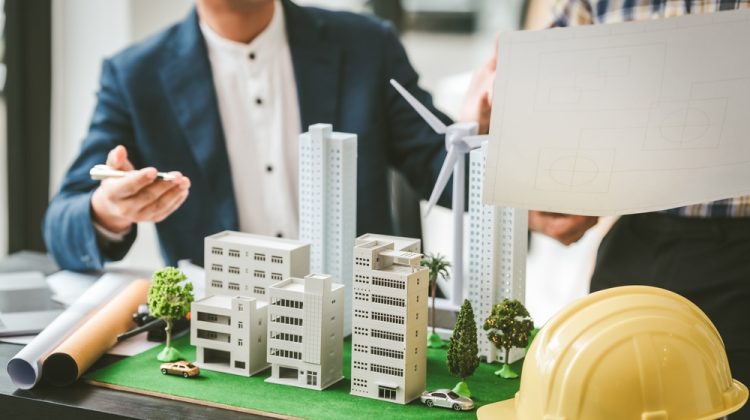
Sustainable Construction Materials for Green Building in 2026
Sustainable Construction Materials for Green Building in 2026
Sustainable construction materials are becoming essential in 2026 as the construction industry shifts toward environmentally responsible building practices. Developers, architects, and construction companies are increasingly using eco-friendly materials to reduce carbon emissions, improve energy efficiency, and support long-term sustainability goals.
Modern green building projects now focus on low-carbon materials, recycled resources, renewable alternatives, and smart manufacturing technologies to create durable and energy-efficient infrastructure. As climate concerns continue rising globally, sustainable materials are transforming the future of construction.
What Are Sustainable Construction Materials?
Sustainable construction materials are eco-friendly building materials designed to reduce environmental impact throughout the building lifecycle. These materials are produced, sourced, and used in ways that minimize carbon emissions, waste generation, and natural resource depletion.
Sustainable construction materials focus on:
- Energy efficiency
- Low carbon emissions
- Resource conservation
- Recyclability
- Durability
- Waste reduction
- Renewable sourcing
Industry experts report that sustainable materials are becoming a core requirement for modern green building projects and net-zero infrastructure. (worldgbc.org)
Why Sustainable Construction Materials Matter in 2026
The construction sector contributes significantly to global greenhouse gas emissions and resource consumption. Traditional building materials often require large amounts of energy and natural resources during production.
Benefits of sustainable construction materials include:
- Reduced environmental impact
- Lower carbon footprint
- Improved energy efficiency
- Reduced construction waste
- Better indoor air quality
- Long-term operational savings
- Support for green certifications
Research shows sustainable building materials play a major role in achieving climate and energy efficiency targets worldwide. (unep.org)
Top Sustainable Construction Materials in 2026
Bamboo
Bamboo is one of the fastest-growing renewable construction materials used in sustainable architecture.
Benefits of bamboo include:
- Rapid regeneration
- High durability
- Lightweight structure
- Low environmental impact
- Strong flexibility
Bamboo is widely used for flooring, wall panels, roofing, and decorative construction applications.
Recycled Steel
Recycled steel is becoming increasingly popular in eco-friendly infrastructure projects because it reduces mining demand and supports material reuse.
Advantages include:
- High strength and durability
- Recyclability
- Reduced waste generation
- Lower environmental impact
Steel can be recycled multiple times without losing structural quality.
Engineered Timber
Engineered wood products are gaining popularity as low-carbon alternatives to traditional concrete and steel structures.
Popular engineered timber materials include:
- Cross-laminated timber (CLT)
- Laminated veneer lumber (LVL)
- Glulam beams
Engineered timber improves sustainability while maintaining structural performance.
Low-Carbon Concrete
Concrete production is traditionally associated with high carbon emissions. Modern low-carbon concrete solutions reduce environmental impact significantly.
Innovations include:
- Fly ash concrete
- Geopolymer concrete
- Carbon-capture concrete
- Recycled aggregate concrete
Industry experts report that low-carbon concrete will play a major role in future sustainable infrastructure projects. (forbes.com)
Recycled Plastic Materials
Construction companies increasingly use recycled plastics for:
- Insulation systems
- Composite panels
- Flooring materials
- Structural components
Plastic recycling helps reduce landfill waste and supports circular economy initiatives.
Smart and Innovative Sustainable Materials
Self-Healing Concrete
Self-healing concrete uses bacteria or chemical additives to repair cracks automatically.
Benefits include:
- Longer building lifespan
- Reduced maintenance costs
- Improved structural durability
This innovation improves sustainability by reducing material replacement requirements.
Green Insulation Materials
Eco-friendly insulation products improve energy efficiency and reduce environmental impact.
Popular sustainable insulation materials include:
- Sheep wool
- Cellulose insulation
- Cork insulation
- Hemp insulation
These materials improve thermal performance while supporting sustainability goals.
Solar-Integrated Building Materials
Modern sustainable buildings increasingly integrate solar technology directly into building materials.
Examples include:
- Solar roof tiles
- Solar glass panels
- Energy-generating facades
Renewable energy integration helps buildings achieve net-zero energy targets.
Role of Technology in Sustainable Materials
AI-Powered Material Optimization
Artificial Intelligence is helping businesses optimize material usage and reduce construction waste.
AI systems can:
- Predict material requirements
- Optimize structural design
- Reduce resource waste
- Improve supply chain efficiency
Industry reports show AI-driven sustainability systems are becoming increasingly important in green construction. (mckinsey.com)
Building Information Modeling (BIM)
BIM technology supports sustainable material planning and resource management.
Benefits include:
- Accurate material estimation
- Waste reduction
- Better project coordination
- Improved energy analysis
BIM helps improve efficiency across the entire construction lifecycle.
Sustainable Construction Materials in India
India is rapidly adopting eco-friendly building materials as part of green infrastructure and smart city initiatives.
Key trends in India include:
- Green commercial buildings
- Low-carbon housing projects
- Sustainable urban development
- Renewable energy integration
- Smart infrastructure systems
For Indian green building standards and sustainability initiatives, visit Indian Green Building Council.
Government sustainability programs continue encouraging eco-friendly infrastructure development. Learn more at Digital India.
Challenges of Sustainable Construction Materials
Higher Initial Costs
Some sustainable materials may require larger upfront investments compared to traditional materials.
Limited Availability
Eco-friendly materials may not be easily accessible in all regions.
Skilled Workforce Requirements
Construction professionals need specialized training for sustainable material usage.
Supply Chain Complexity
Sourcing certified sustainable materials can involve logistical challenges.
Despite these challenges, demand for sustainable materials continues growing rapidly worldwide.

Best Practices for Using Sustainable Construction Materials
Prioritize Local Sourcing
Locally sourced materials reduce transportation emissions and support regional economies.
Focus on Durability
Long-lasting materials reduce maintenance and replacement costs over time.
Use Recyclable Materials
Recyclable products support circular economy practices and waste reduction.
Integrate Renewable Energy Systems
Combining sustainable materials with renewable energy improves building performance.
Plan for Lifecycle Sustainability
Evaluate environmental impact across the entire building lifecycle rather than only during construction.
Businesses looking for workflow optimization and operational support can explore services offered by AMS India for modern business management solutions.
For professional consultation and workflow support, visit AMS India Contact Us.
Future of Sustainable Construction Materials
The future of sustainable construction materials will focus on:
- Carbon-negative materials
- AI-optimized resource management
- Smart self-repairing materials
- Advanced recycled composites
- Renewable bio-based construction products
Industry experts predict sustainable materials will become a standard requirement for future infrastructure and urban development projects.
Conclusion
Sustainable construction materials are transforming the future of green building and eco-friendly infrastructure in 2026. Organizations using renewable, recyclable, and low-carbon materials can improve energy efficiency, reduce environmental impact, and support long-term sustainability goals.
As environmental awareness and climate regulations continue increasing, sustainable materials will remain essential for the future of modern construction and urban development.
Conclusion
Project automation is a game-changer for modern organizations. It reduces manual work, improves accuracy, and enhances productivity.
By adopting the right tools and strategies, businesses can streamline project workflows and achieve better outcomes.
Need help implementing automation in your projects? Connect with experts here:
https://amsindia.co.in/contact-us/
Read more related articles to enhance your knowledge and make informed decisions
Cost-Effective Modular Construction: Fast, and Sustainable Building Solutions
Smart Modular Buildings: Innovative, Efficient, and Sustainable Construction