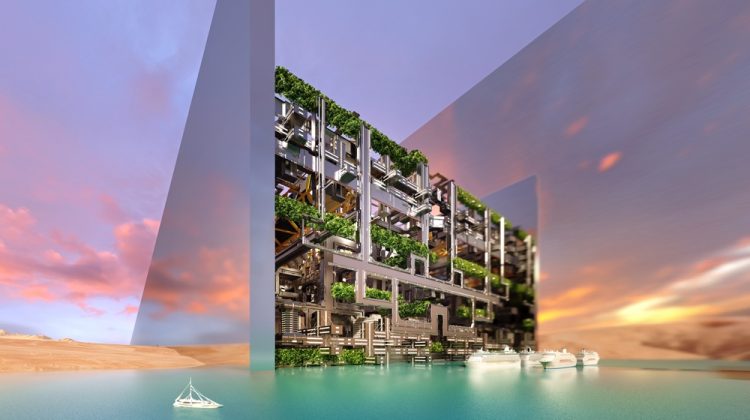
Zero Energy Buildings: The Future of Sustainable Construction
Zero Energy Buildings: A Step Toward Sustainable Living
Zero energy buildings are revolutionizing the construction industry by offering a sustainable and energy-efficient solution for modern living. As energy consumption continues to rise, adopting energy buildings has become essential to reduce environmental impact and promote self-sufficient infrastructure.
These buildings generate as much energy as they consume, making energy buildings a key component of future-ready construction.
What are Zero Energy Buildings?
Zero energy buildings, also known as net-zero energy buildings, are structures that produce equal or more energy than they use over a year. This is achieved through energy-efficient design and renewable energy systems.
In India, the concept of energy buildings is gaining popularity due to increasing awareness about sustainability and energy conservation.
Benefits of Energy Buildings
1. Reduced Energy Costs
One of the biggest advantages of energy buildings is minimal or zero electricity bills.
2. Environmental Sustainability
These buildings significantly reduce carbon emissions and environmental impact.
3. Energy Independence
Generating energy on-site reduces dependence on external power sources.
4. Long-Term Value
Zero energy properties have higher market value and long-term savings.
Key Features of Energy Buildings
1. High Energy Efficiency
Efficient insulation, lighting, and appliances reduce overall energy consumption.
2. Renewable Energy Systems
Solar panels are a core component of energy buildings, generating clean energy.
3. Passive Design
Optimizing building orientation and natural ventilation reduces energy needs.
4. Energy Monitoring Systems
Smart systems track and manage energy usage effectively.
Technologies Used in Energy Buildings
1. Solar Power Systems
Solar panels generate electricity to meet building energy needs.
2. Energy Storage Solutions
Batteries store excess energy for later use.
3. Smart Building Automation
Automation systems optimize energy efficiency.
4. Advanced Insulation Materials
High-performance materials reduce heat loss and improve efficiency.
Zero Energy Buildings in India
India is increasingly adopting sustainable building practices. Organizations like the Indian Green Building Council promote energy-efficient and net-zero building standards.
You can learn more about sustainable initiatives here:
https://igbc.in
The growth of energy buildings in India is driven by government policies, environmental awareness, and rising energy costs.
Why Choose Zero Energy Buildings?
Choosing energy buildings ensures long-term benefits such as reduced costs, energy independence, and environmental sustainability. These buildings also align with global sustainability goals and green construction trends.
If you are planning a sustainable construction project, expert guidance can help you design and build a zero energy structure. Contact professionals here:
https://amsindia.co.in/contact-us/
Conclusion
Energy buildings are the future of sustainable construction. By combining energy-efficient design with renewable energy systems, they create self-sufficient and eco-friendly structures. As awareness continues to grow, energy buildings will play a vital role in shaping a greener and more energy-efficient world.
For professional support in conducting stakeholder-focused project audits and reporting, connect here.
Read more related articles to enhance your knowledge and make informed decisions
Cost-Effective Modular Construction: Fast, and Sustainable Building Solutions
Smart Modular Buildings: Innovative, Efficient, and Sustainable Construction