Construction Compliance Audit Services | Regulatory & Safety Checks
Construction Compliance Audit: Ensuring Legal and Quality Standards in 2026
The construction industry in 2026 is facing stricter regulations, higher safety expectations, and increased accountability. To meet these growing demands, businesses are increasingly relying on construction compliance audit to ensure projects follow legal, technical, environmental, and safety requirements.
A construction compliance audit is a systematic evaluation of construction activities, project documentation, contractor performance, and operational procedures to verify compliance with applicable laws, standards, and contractual obligations. These audits help construction companies reduce legal risks, improve project quality, and maintain transparency throughout the project lifecycle.
For professional construction audit consultation and compliance support, visit
AMS India Contact Us
What Is a Construction Compliance Audit?
A construction compliance audit is an independent review conducted to determine whether a construction project complies with approved regulations, building codes, contractual agreements, and industry standards.
The audit typically includes:
- Safety regulation checks
- Environmental compliance verification
- Quality standard inspections
- Contract compliance review
- Financial documentation analysis
- Labor law compliance assessment
- Material and procurement verification
The primary goal is to identify non-compliance issues early and ensure corrective actions are implemented before they affect project completion.
Importance of Construction Compliance Audit in 2026
Construction regulations are continuously evolving due to increasing focus on sustainability, worker safety, and quality assurance. Compliance audits help organizations adapt to these changing requirements effectively.
Ensures Legal Compliance
Construction projects must comply with national and local building laws. Audits help verify that all legal approvals, permits, and standards are properly followed.
Improves Workplace Safety
Safety compliance is a critical part of construction management. Audits identify safety hazards and ensure proper protective measures are implemented.
Reduces Financial Risks
Non-compliance can result in fines, project delays, or legal disputes. Compliance audits help minimize these financial risks.
Enhances Construction Quality
Regular audits ensure construction work meets approved technical and engineering standards.

Builds Stakeholder Confidence
Transparent compliance practices improve trust among clients, investors, contractors, and regulatory authorities.
For official construction regulations and urban policies in India, refer to
Ministry of Housing and Urban Affairs India
Key Areas Covered in a Construction Compliance Audit
A comprehensive compliance audit evaluates multiple aspects of the construction project.
Regulatory Compliance
Auditors verify adherence to building codes, zoning laws, environmental policies, and local authority approvals.
Common Regulatory Checks
- Building permits
- Environmental clearances
- Fire safety regulations
- Structural standards
- Labor law compliance
Safety Compliance
Safety audits evaluate workplace conditions and compliance with occupational safety standards.
Safety Areas Reviewed
- Worker protective equipment
- Emergency response plans
- Site hazard management
- Machinery safety
- Electrical safety systems
Contract Compliance
Auditors examine whether contractors and suppliers are fulfilling their contractual obligations properly.
Financial and Procurement Compliance
Financial audits ensure project expenses, procurement activities, and vendor payments are transparent and properly documented.
Quality Assurance Compliance
Quality audits verify whether construction materials and workmanship meet approved standards and specifications.
Construction Compliance Audit Process
Professional construction audits follow a structured and organized approach.
Planning and Scope Definition
The audit team defines project scope, compliance requirements, and evaluation objectives.
Documentation Review
Auditors review contracts, permits, invoices, inspection records, safety reports, and procurement documents.
Site Inspection
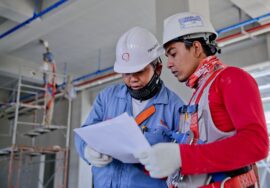
Physical inspections are conducted to verify compliance with project plans, safety standards, and quality requirements.
Risk Identification
Potential compliance risks, legal issues, and operational weaknesses are identified and analyzed.
Reporting and Corrective Actions
The audit report includes findings, non-compliance issues, recommendations, and corrective action plans.
Technology Trends in Construction Compliance Audits 2026
Modern technology is improving the efficiency and accuracy of compliance audits.
Cloud-Based Documentation
Cloud systems provide centralized access to project records and compliance reports.
AI-Powered Risk Detection
Artificial intelligence helps identify irregularities and compliance gaps quickly.
Drone Site Monitoring
Drones support real-time monitoring and safer inspections of large construction sites.
Digital Compliance Tracking
Advanced software tools help organizations track permits, certifications, and compliance deadlines efficiently.
Benefits of Professional Construction Compliance Audit Services
Professional auditors provide independent assessments and industry expertise that improve overall project management.
Key Benefits Include:
- Better legal compliance
- Improved construction safety
- Reduced operational risks
- Enhanced project transparency
- Stronger quality control
- Faster issue resolution
- Improved contractor accountability
Organizations seeking reliable compliance audit solutions can explore
AMS India Official Website
Best Practices for Effective Compliance Audits
Conduct Regular Audits
Frequent audits help detect compliance issues before they become serious problems.
Maintain Proper Documentation
Accurate records improve transparency and simplify regulatory verification.
Train Employees and Contractors
Compliance awareness and safety training improve overall project standards.
Use Certified Construction Materials
Approved and certified materials help maintain quality and regulatory compliance.
Implement Digital Compliance Systems
Technology-driven compliance management improves reporting accuracy and operational efficiency.
Conclusion
A construction compliance audit is essential for ensuring legal compliance, project quality, and workplace safety in modern construction projects. In 2026, with stricter regulations and growing project complexity, regular audits help businesses reduce risks, improve transparency, and achieve successful project completion.
From regulatory verification and safety inspections to quality assessments and financial reviews, compliance audits play a vital role in modern construction management. Companies that prioritize compliance auditing can strengthen operational performance, avoid legal complications, and build long-term trust with stakeholders.
Read more related articles to enhance your knowledge and make informed decisions
Cost-Effective Modular Construction: Fast, and Sustainable Building Solutions
Smart Modular Buildings: Innovative, Efficient, and Sustainable Construction