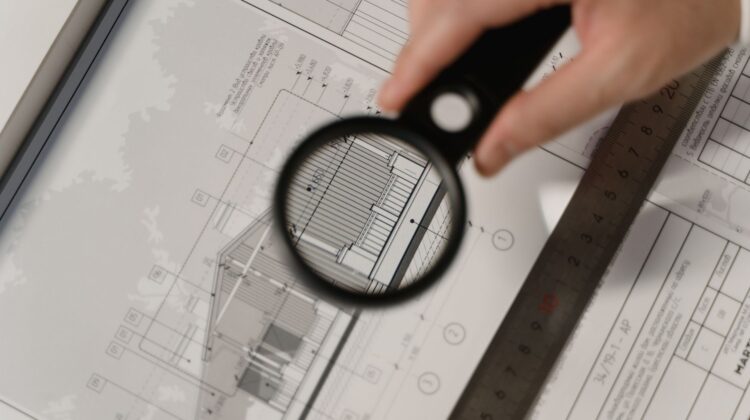
Project Execution Challenges in Corporate Office Fitouts and Solutions
Project execution in corporate office fitouts presents unique challenges that require meticulous planning and expert management. From coordinating multiple stakeholders to managing timelines and budgets, the complexity of fitout projects demands a comprehensive approach to ensure smooth delivery.
Useful reference: OSHA Construction Industry Guidance
Useful reference: PMI Construction Extension to the PMBOK Guide
Effective project execution integrates design coordination, procurement, construction management, and quality control to address common obstacles such as scope creep, delays, and cost overruns. AMs Project Consultants Pvt. Ltd. specializes in providing end-to-end project cycle management tailored to corporate office environments, helping project owners navigate these challenges efficiently.
Understanding Project Execution Challenges in Corporate Office Fitouts
Corporate office fitouts involve transforming raw spaces into functional work environments that meet specific business needs. During project execution, challenges often arise from design changes, coordination gaps between architects, MEP teams, and contractors, and unforeseen site conditions.
One frequent issue is misalignment in stakeholder expectations. Business owners, facility heads, and procurement teams may have differing priorities that require consolidation through clear communication and structured project management processes. AMs emphasizes stakeholder coordination as a critical success factor, ensuring timely decision-making and issue resolution.
Key Challenges Faced During Project Execution
- Scope Changes: Uncontrolled design modifications can disrupt schedules and inflate costs.
- Procurement Delays: Late delivery of materials or equipment affects construction timelines.
- MEP Coordination Issues: Inadequate synchronization of mechanical, electrical, and plumbing systems causes rework.
- Quality and Safety Concerns: Lack of systematic quality checks and safety protocols can lead to non-compliance and hazards.
- Documentation and Reporting Gaps: Insufficient tracking of progress and cost impacts stakeholder confidence.
Solutions for Effective Project Execution
AMs adopts a structured approach to overcome these challenges by integrating the following strategies:
- Comprehensive Project Planning: Detailed work breakdown structures and realistic scheduling set clear milestones.
- Robust Design Management: Early involvement of design teams to finalize plans and minimize late changes.
- Procurement Management: Vendor pre-qualification and timely purchase orders reduce material lead times.
- MEP Coordination: Cross-disciplinary workshops and clash detection software ensure system compatibility.
- Quality and Safety Protocols: Regular site inspections, audits, and safety training maintain standards.
- Transparent Reporting: Real-time progress tracking and cost monitoring keep stakeholders informed.
These solutions align with best practices in construction project management consultancy, emphasizing risk management and techno-commercial closeout to guarantee a reliable handover.
Planning, Execution, and Handover: A Balanced Approach
Successful project execution depends on a seamless transition from planning to construction and finally to handover. Planning defines scope, budget, and timelines while execution focuses on delivering the work within these parameters. The handover phase ensures all contractual obligations, quality standards, and compliance requirements are met.
AMs supports project owners by providing clear checklists and audit mechanisms at each stage. This approach minimizes surprises during handover and facilitates smooth operational takeover by corporate administration teams.
Common Mistakes to Avoid During Project Execution
- Neglecting early stakeholder alignment leading to scope disputes.
- Inadequate risk assessment causing schedule slippages.
- Poor communication between design and construction teams resulting in rework.
- Ignoring procurement lead times impacting critical path activities.
- Overlooking safety standards risking compliance and worker welfare.
When to Involve a Professional Project Management Consultant
Engaging a specialist like AMs early in the project lifecycle is crucial for complex corporate office fitouts. Consultants bring expertise in cost management, construction audit, and MEP coordination that complements in-house capabilities. They provide impartial oversight, identify risks proactively, and optimize resource allocation.
Before starting a fitout project, project owners should verify the consultant’s experience with similar commercial projects and confirm their ability to manage multi-disciplinary teams effectively. This ensures alignment with project goals and regulatory frameworks.
Practical Project Execution Checklist for Corporate Office Fitouts
| Task | Responsible Party | Timeline | Remarks |
|---|---|---|---|
| Finalize design and obtain approvals | Design team / PMC | Pre-construction phase | Minimize late changes |
| Procure critical materials and equipment | Procurement team | Early execution phase | Ensure vendor reliability |
| Coordinate MEP systems integration | MEP engineers / PMC | Throughout execution | Use clash detection tools |
| Conduct regular quality and safety audits | Quality & Safety team | Weekly/fortnightly | Document findings |
| Monitor progress and update stakeholders | Project manager | Weekly | Transparent reporting |
| Prepare handover documentation and closeout | PMC / Contractor | End of project | Include compliance certificates |
Using this checklist promotes disciplined project execution and reduces risks of delays or budget overruns.
FAQs on Project Execution in Corporate Office Fitouts
What are the main risks during project execution for office fitouts?
Risks include scope creep, procurement delays, MEP coordination failures, and quality non-compliance.
How can AMs help improve project execution?
AMs provides expert project management consultancy covering design coordination, cost management, construction audit, and stakeholder alignment.
When should procurement activities start in a fitout project?
Procurement should begin early in the execution phase to avoid material lead time delays impacting the schedule.
What quality controls are essential during execution?
Regular inspections, safety audits, and compliance checks ensure standards are maintained throughout construction.
How do you manage changes during project execution?
Implement a change management process with impact analysis, approvals, and updated schedules to control disruptions.
What documentation is critical for project handover?
Complete as-built drawings, compliance certificates, warranties, and audit reports are essential for a smooth handover.
Why is stakeholder coordination important in project execution?
It ensures alignment of expectations, timely decisions, and effective communication, reducing conflicts and delays.
In conclusion, mastering project execution in corporate office fitouts requires a multi-disciplinary approach that balances planning, coordination, and quality management. AMs Project Consultants Pvt. Ltd. offers the technical expertise and consultancy support needed to navigate these challenges effectively, ensuring projects meet their objectives with minimal disruptions. For more insights on managing commercial construction projects, visit Design Management Best Practices in Corporate Office Fitouts and explore detailed guidance on procurement strategies at Cost Tracking Methods to Control Corporate Office Fitout Budgets.