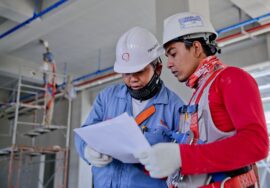
Civil Construction Audit Services | Quality & Compliance Solutions
Civil Construction Audit: Ensuring Quality and Compliance in Modern Projects
The civil construction industry in 2026 is experiencing rapid growth due to increasing urban development, infrastructure expansion, and smart city projects. With rising project complexity and stricter regulations, businesses are focusing on civil construction audits to ensure quality, safety, compliance, and financial transparency throughout construction projects.
A civil construction audit is a detailed evaluation of construction processes, project documentation, engineering standards, financial records, and safety practices. These audits help organizations identify risks, improve operational efficiency, and ensure projects are completed according to approved specifications and legal requirements.
For professional construction audit consultation and inspection services, visit
AMS India Contact Us
What Is a Civil Construction Audit?
A civil construction audit is a systematic review of construction activities to verify whether the project complies with engineering standards, quality requirements, safety regulations, and contractual agreements.
The audit process includes evaluating:
- Construction quality
- Material standards
- Structural integrity
- Financial management
- Contractor performance
- Safety compliance
- Regulatory approvals
- Project timelines
The primary objective is to ensure that civil construction projects are completed safely, efficiently, and within budget.
Importance of Civil Construction Audits in 2026
Modern civil engineering projects involve large investments, multiple stakeholders, and strict compliance standards. Construction audits help businesses maintain better project control and reduce operational risks.
Improves Construction Quality
Audits ensure that construction work follows approved engineering specifications and quality standards.
Enhances Safety Compliance
Regular audits help identify workplace hazards and improve site safety management.
Controls Project Costs
Financial reviews help detect unnecessary expenses, billing discrepancies, and budget overruns.
Ensures Regulatory Compliance
Civil construction projects must comply with local building codes, environmental policies, and safety regulations.
Reduces Project Delays
Audits improve project coordination and help identify operational inefficiencies early.
For official construction and infrastructure regulations in India, refer to
Ministry of Housing and Urban Affairs India
Types of Civil Construction Audits
Different projects require different audit approaches depending on project scope and complexity.
Quality Audit
Quality audits evaluate workmanship, materials, and construction methods.
Areas Reviewed
- Concrete quality
- Steel reinforcement
- Structural stability
- Finishing work
- Waterproofing systems
Financial Audit
Financial audits review budgets, procurement records, invoices, and contractor payments.
Safety Audit
Safety audits verify compliance with occupational health and construction safety standards.
Safety Inspections Include
- Protective equipment usage
- Machinery safety
- Hazard management
- Fire safety systems
- Emergency response procedures

Compliance Audit
Compliance audits ensure the project follows legal regulations, permits, and contractual obligations.
Operational Audit
Operational audits evaluate project management efficiency, scheduling, and resource utilization.
Civil Construction Audit Process
Professional construction audits follow a structured process to ensure accurate project evaluation.
Project Planning and Scope Definition
Auditors identify project objectives, compliance requirements, and evaluation criteria.
Site Inspection
Physical inspections are conducted to assess construction progress, quality, and safety practices.
Documentation Review
Auditors examine project records such as contracts, permits, invoices, engineering reports, and inspection logs.
Risk Assessment
Potential risks related to quality, safety, financial performance, and compliance are identified and analyzed.
Audit Reporting
A detailed report is prepared with findings, observations, corrective recommendations, and compliance status.
Technology Trends in Civil Construction Audits 2026
Technology is transforming the construction audit industry through automation and digital monitoring systems.
Drone-Based Site Inspections
Drones help inspectors monitor large construction sites quickly and safely.
AI-Powered Risk Analysis
Artificial intelligence improves defect detection and predictive risk management.
Cloud-Based Documentation
Cloud platforms support real-time reporting and centralized project data management.
BIM Integration
Building Information Modeling (BIM) enhances project visualization and audit accuracy.
Benefits of Professional Civil Construction Audit Services
Professional auditors provide independent evaluations and industry expertise that improve project outcomes.
Key Benefits Include:
- Better construction quality
- Improved project transparency
- Reduced operational risks
- Enhanced compliance management
- Improved financial accuracy
- Faster issue resolution
- Better contractor accountability
Businesses seeking reliable construction audit solutions can explore
AMS India Official Website
Best Practices for Effective Civil Construction Audits
Conduct Audits Regularly
Frequent audits improve project monitoring and reduce long-term risks.
Maintain Proper Documentation
Accurate records simplify compliance verification and project management.
Use Skilled Audit Professionals
Experienced auditors provide accurate technical assessments and recommendations.
Implement Modern Technology
Digital tools improve inspection accuracy and operational efficiency.
Focus on Safety and Quality
Strong quality control and safety practices contribute to successful project completion.
Conclusion
Civil construction audits are essential for maintaining quality, safety, compliance, and financial transparency in modern construction projects. In 2026, with increasing infrastructure development and stricter regulations, professional audit services help businesses improve project efficiency and reduce operational risks.
From quality inspections and financial reviews to safety assessments and compliance monitoring, civil construction audits support better project management and long-term infrastructure performance. Companies that invest in regular audits can achieve higher construction standards, improved stakeholder confidence, and sustainable project success.
Read more related articles to enhance your knowledge and make informed decisions
Cost-Effective Modular Construction: Fast, and Sustainable Building Solutions
Smart Modular Buildings: Innovative, Efficient, and Sustainable Construction