Structural Audit Services | Building Safety & Quality Inspection
Structural Audit Services: Ensuring Building Safety and Stability in 2026
As infrastructure and real estate development continue to expand in 2026, maintaining the structural safety and durability of buildings has become a top priority. Aging buildings, environmental factors, poor construction practices, and increasing load demands can affect the strength and stability of structures over time. This is why professional structural audit services are essential for residential, commercial, industrial, and public infrastructure projects.
Structural audits help identify defects, structural weaknesses, safety risks, and maintenance requirements before they become major problems. These inspections improve building safety, extend structural lifespan, and ensure compliance with engineering and legal standards.
For professional structural audit consultation and inspection support, visit
AMS India Contact Us
What Are Structural Audit Services?
Structural audit services involve a detailed technical assessment of a building or infrastructure project to evaluate its strength, stability, safety, and overall condition.
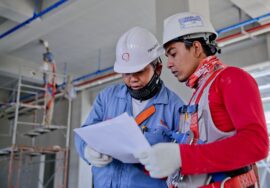
The audit is conducted by experienced structural engineers and construction professionals who examine different structural components, including:
- Foundations
- Columns and beams
- Slabs and walls
- Steel structures
- Concrete quality
- Load-bearing systems
- Roof structures
The primary objective is to identify structural defects, assess safety risks, and recommend repair or maintenance solutions.

Importance of Structural Audit Services in 2026
Modern infrastructure faces challenges such as environmental stress, heavy usage, climate changes, and aging construction materials. Structural audits help property owners and organizations maintain safe and reliable structures.
Ensures Building Safety
Structural audits identify cracks, corrosion, foundation settlement, and other structural defects that may compromise safety.
Extends Building Lifespan
Early detection of structural issues helps prevent major damage and increases the durability of buildings.
Supports Regulatory Compliance
Many local authorities require periodic structural inspections to ensure compliance with safety regulations.
Prevents Expensive Repairs
Timely audits help identify maintenance needs before minor issues become costly structural failures.
Improves Property Value
Well-maintained and structurally safe buildings have higher market value and better investor confidence.
For official construction and infrastructure regulations in India, visit
Ministry of Housing and Urban Affairs India
Types of Structural Audit Services
Different structures require specialized audit approaches based on age, usage, and design complexity.
Residential Structural Audit
Residential audits assess the safety and condition of apartments, villas, and housing complexes.
Common Areas Reviewed
- Wall cracks
- Water leakage damage
- Concrete deterioration
- Foundation stability
- Balcony safety
Commercial Structural Audit
Commercial building audits focus on offices, malls, hotels, and business complexes.
Industrial Structural Audit
Industrial audits evaluate factories, warehouses, manufacturing plants, and heavy-load structures.
Infrastructure Structural Audit
Infrastructure audits are conducted for bridges, flyovers, tunnels, and public utility structures.
Pre-Purchase Structural Inspection
These inspections help property buyers assess structural conditions before purchasing buildings.
Structural Audit Process
Professional structural audit services follow a systematic inspection process.
Initial Assessment
Engineers collect building information, design drawings, maintenance records, and project history.
Site Inspection
Physical inspections are conducted to assess visible structural defects and safety concerns.
Non-Destructive Testing (NDT)
Advanced testing methods are used to evaluate concrete strength, corrosion levels, and internal structural conditions without damaging the structure.
Structural Analysis
Engineers analyze load-bearing capacity, stress levels, and structural performance.
Audit Reporting
A detailed report is prepared with findings, risk assessment, repair recommendations, and safety status.
Technology Trends in Structural Audits 2026
Technology is improving the accuracy and efficiency of structural inspection services.
Drone-Based Structural Inspections
Drones allow engineers to inspect high-rise buildings and difficult-to-access areas safely.
AI-Powered Structural Analysis
Artificial intelligence helps identify structural defects and predict maintenance requirements.
3D Scanning Technology
3D scanning improves structural measurements and defect detection accuracy.
Digital Monitoring Systems
Smart sensors and monitoring systems track structural movement, stress, and vibration in real time.
Benefits of Professional Structural Audit Services
Professional structural auditors provide technical expertise and reliable evaluations for safer infrastructure management.
Key Benefits Include:
- Improved building safety
- Early defect detection
- Better maintenance planning
- Compliance with regulations
- Reduced structural risks
- Enhanced property value
- Longer infrastructure lifespan
Organizations seeking trusted structural inspection solutions can explore
AMS India Official Website
Best Practices for Effective Structural Audits
Conduct Periodic Inspections
Regular audits help identify structural problems before they become severe.
Use Qualified Structural Engineers
Experienced professionals provide accurate technical assessments and recommendations.
Maintain Proper Maintenance Records
Detailed records improve audit accuracy and future maintenance planning.
Implement Modern Inspection Technology
Advanced tools improve testing accuracy and reporting efficiency.
Address Structural Issues Immediately
Timely repairs reduce safety risks and prevent further damage.
Conclusion
Structural audit services are essential for maintaining the safety, stability, and performance of modern buildings and infrastructure. In 2026, as urban development and infrastructure demands continue to grow, regular structural audits help organizations reduce risks, improve compliance, and extend building lifespan.
From residential properties and commercial buildings to industrial facilities and public infrastructure, structural audits provide valuable insights that support long-term safety and operational reliability. Businesses and property owners that invest in professional structural audit services can achieve better infrastructure management and stronger stakeholder confidence.
Read more related articles to enhance your knowledge and make informed decisions
Cost-Effective Modular Construction: Fast, and Sustainable Building Solutions
Smart Modular Buildings: Innovative, Efficient, and Sustainable Construction