Safety Audit Best Practices for Commercial Construction Projects
Construction Audit helps project owners plan, coordinate and control construction work with clearer responsibilities, better reporting and structured project delivery.
Useful reference: OSHA Construction Industry Guidance
Useful reference: PMI Construction Extension to the PMBOK Guide
Construction Audit: What Project Owners Should Know
A safety audit is an essential process in commercial construction projects to ensure compliance with safety standards and reduce risks on site. For project owners, real estate developers, and facility heads, understanding safety audit best practices is crucial to maintaining a safe working environment while managing project delivery effectively.
In the context of construction project management, a safety audit involves systematic checks, documentation, and stakeholder coordination to identify hazards, verify compliance, and recommend corrective actions. This article explores safety audit best practices tailored for commercial construction projects, focusing on practical steps that AMs Project Consultants Pvt. Ltd. employs during project planning, execution, and handover phases.
Safety Audit in Construction Project Management
Integrating a safety audit within construction project management enhances risk control and quality assurance. AMs emphasizes early involvement of safety professionals during project planning to align safety protocols with design management and procurement strategies. This approach helps anticipate site-specific risks and embed safety requirements in contractor agreements and technical feasibility assessments.
A thorough safety audit covers multiple areas such as site conditions, equipment checks, worker training, and emergency preparedness. It also involves verifying statutory approvals and compliance documentation. Regular audits during construction phases ensure ongoing monitoring and timely interventions, reducing potential delays and cost overruns related to safety incidents.
Key Components of a Safety Audit
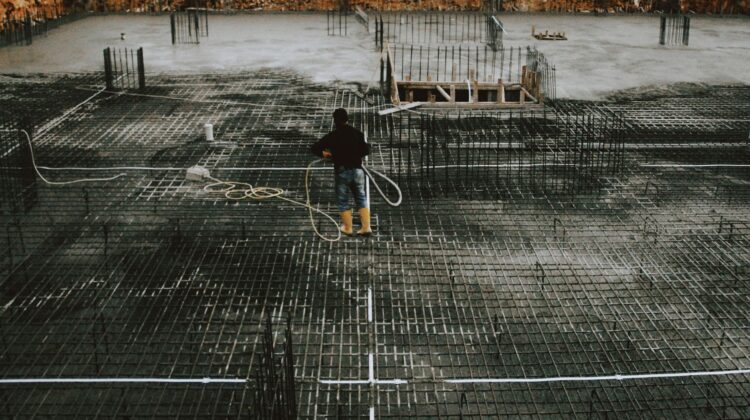
- Site Inspection: Physical examination of the construction site to identify hazards related to scaffolding, electrical installations, material storage, and access routes.
- Documentation Review: Verification of safety plans, risk assessments, training records, incident logs, and compliance certificates.
- Stakeholder Interviews: Engaging contractors, supervisors, and workers to assess awareness and adherence to safety protocols.
- Equipment Evaluation: Checking the condition and certification of machinery, personal protective equipment (PPE), and safety devices.
- Emergency Preparedness: Reviewing evacuation plans, first-aid facilities, and communication systems.
Common Mistakes to Avoid During Safety Audits
- Conducting audits only at project completion rather than throughout the project lifecycle.
- Ignoring subcontractor compliance and focusing solely on primary contractors.
- Overlooking documentation gaps or expired certifications.
- Failing to communicate audit findings promptly to all relevant stakeholders.
- Neglecting to integrate audit results with overall project risk management and cost control systems.
When to Involve a Professional Project Management Consultant
Engaging a professional project management consultant like AMs is advisable when planning complex commercial projects involving multiple contractors, MEP coordination, and built-to-suit requirements. Consultants bring expertise in coordinating safety audits with other project functions such as construction audit, procurement, and design build. Their involvement ensures that safety audit findings translate into actionable improvements within project schedules and budgets.
Moreover, AMs consultants can assist in developing tailored safety audit checklists, conducting training sessions, and facilitating stakeholder coordination meetings. This integrated approach supports compliance and enhances overall project quality and safety standards.
Planning, Execution, and Handover: Safety Audit Integration
During the planning phase, safety audit considerations include defining audit scope, identifying critical safety checkpoints, and integrating audit requirements into contracts and procurement documents. This phase sets the foundation for effective risk management and compliance tracking.
In the execution phase, scheduled safety audits monitor real-time site conditions and contractor performance. Regular reporting and documentation updates help maintain transparency and enable prompt corrective actions. Coordination with MEP teams and quality control ensures that safety measures align with technical specifications.
The handover phase involves final safety audits to confirm that all safety protocols were followed and that the site is safe for occupancy or operational use. Documentation of audit outcomes forms part of the project closeout deliverables, supporting regulatory approvals and client confidence.
Safety Audit Checklist for Commercial Construction Projects
| Audit Area | Key Checks | Responsible Party | Frequency |
|---|---|---|---|
| Site Safety | Scaffolding, barriers, signage, housekeeping | Safety Officer, PMC | Weekly |
| Equipment | Machinery condition, PPE availability, certifications | Contractor, Safety Officer | Monthly |
| Documentation | Training records, incident reports, compliance certificates | Project Owner, PMC | Monthly |
| Emergency Preparedness | Evacuation drills, first-aid kits, communication systems | Site Supervisor | Quarterly |
| Stakeholder Coordination | Safety meetings, audit feedback, corrective action tracking | PMC, Contractors | Biweekly |
What Project Owners Should Check Before Starting a Safety Audit
Before initiating a safety audit, project owners should verify that all statutory approvals are in place and that contractors have submitted valid safety plans and certifications. It is important to ensure that the project management consultant or safety officer has clear access to site areas and documentation.
Owners should also confirm that safety audit schedules are integrated with project timelines and that communication protocols for reporting audit findings are established. This preparation facilitates smooth audit execution and effective stakeholder engagement.
Frequently Asked Questions About Safety Audit in Commercial Construction
What is the primary goal of a safety audit in construction projects?
The primary goal is to identify potential hazards, ensure compliance with safety standards, and recommend corrective measures to prevent accidents and delays.
How often should safety audits be conducted on a commercial construction site?
Safety audits should be conducted regularly, typically weekly or monthly, depending on project complexity and risk levels, with additional audits after significant changes or incidents.
Who is responsible for conducting safety audits?
Safety audits are usually conducted by qualified safety officers or project management consultants with expertise in construction safety, supported by site supervisors and contractors.
How does a safety audit integrate with other project management functions?
Safety audits complement quality control, cost management, and procurement by identifying risks that could impact schedules, budgets, and compliance, enabling coordinated responses.
What are common challenges in implementing safety audits?
Challenges include incomplete documentation, subcontractor non-compliance, lack of stakeholder communication, and insufficient follow-up on audit findings.
When should a professional consultant be involved in safety audits?
Professional consultants should be involved from the planning phase to ensure safety protocols are embedded in project delivery and to provide expert oversight during execution and handover.
Can safety audits help reduce project delays?
Yes, by identifying risks early and ensuring compliance, safety audits help prevent accidents and disruptions that can cause costly project delays.
In conclusion, a well-executed safety audit is a vital component of construction project management for commercial projects. By following best practices and involving professional consultants like AMs, project stakeholders can enhance safety, compliance, and overall project quality. Integrating safety audits with design management, procurement, and construction audit processes ensures a holistic approach to project delivery. For more detailed guidance on project management consultancy and construction audit services, visit Effective Budget Management Strategies for Commercial Construction Projects. To understand how MEP coordination aligns with safety and quality standards, see Productivity Improvement Strategies for Commercial Construction Projects.