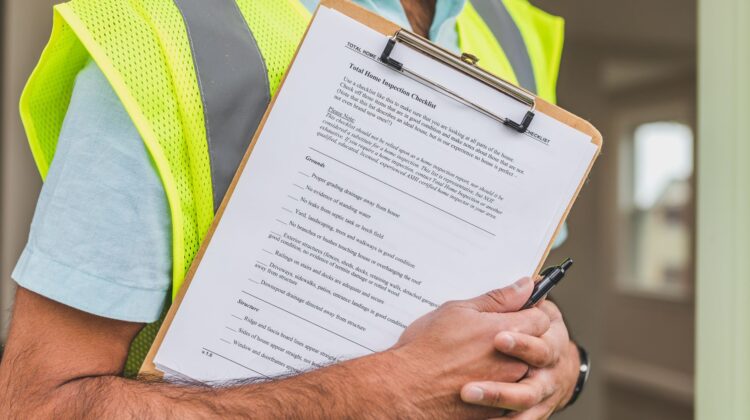
Quality Management Strategies for Effective Construction Project Monitoring
Cost Management helps project owners plan, coordinate and control construction work with clearer responsibilities, better reporting and structured project delivery.
Useful reference: OSHA Construction Industry Guidance
Useful reference: PMI Construction Extension to the PMBOK Guide
Cost Management: What Project Owners Should Know
Quality management is a critical aspect of construction project monitoring that ensures the successful delivery of commercial, industrial, and institutional projects. Effective quality management helps project owners, architects, and construction stakeholders maintain standards, control costs, and mitigate risks throughout the project lifecycle. This article focuses on practical strategies to integrate quality management into construction project monitoring, highlighting key steps and professional insights from AMs Project Consultants Pvt. Ltd.
Integrating quality management into construction project monitoring begins with clear planning and defining quality benchmarks aligned with project goals. AMs emphasizes the importance of detailed quality plans that cover design management, procurement standards, MEP coordination, and construction supervision. Early involvement of a professional project management consultancy ensures that quality checkpoints are embedded in every phase from design to handover.
Quality Management in Construction Project Monitoring: Key Strategies
Successful quality management requires a structured approach that includes continuous monitoring, documentation, and stakeholder coordination. AMs Project Consultants Pvt. Ltd. recommends the following strategies:
- Develop Comprehensive Quality Plans: Define quality objectives, standards, and inspection criteria for materials, workmanship, and processes. Include vendor and contractor quality requirements aligned with project specifications.
- Implement Regular Quality Audits: Conduct systematic site inspections and audits to verify compliance with quality benchmarks. Document findings and corrective actions to maintain transparency and accountability.
- Coordinate MEP and Design Management: Ensure seamless integration of mechanical, electrical, and plumbing systems through coordinated quality checks. Design management should facilitate early detection of potential quality issues.
- Engage Stakeholders Proactively: Maintain clear communication between project owners, architects, contractors, and consultants. Stakeholder coordination helps address quality concerns promptly and prevents delays.
- Use Technology for Quality Tracking: Leverage project management software and digital checklists to monitor quality parameters in real time. This supports timely decision-making and efficient reporting.
Applying these strategies within the construction project monitoring framework enhances project delivery quality and reduces rework and cost overruns. AMs’ expertise in end-to-end project cycle management ensures that quality management is not an afterthought but an integral part of project execution.
Planning, Execution, and Handover: Quality Management Phases
Quality management spans the entire project lifecycle. During planning, quality standards and procurement criteria must be clearly defined. In the execution phase, continuous quality monitoring and construction audits ensure adherence to specifications. Finally, during handover, comprehensive quality documentation and snagging reports confirm project readiness and compliance.
AMs Project Consultants Pvt. Ltd. supports project owners by providing detailed quality audit reports and facilitating techno-commercial closeout processes. This structured approach helps reduce disputes and supports smooth project acceptance.
Common Mistakes to Avoid in Quality Management
- Neglecting early quality planning and relying solely on inspections during construction.
- Inadequate coordination between design, MEP, and construction teams leading to quality gaps.
- Poor documentation of quality checks and corrective actions.
- Ignoring procurement quality standards, resulting in substandard materials.
- Delayed stakeholder communication causing unresolved quality issues.
When to Involve a Professional Project Management Consultant
Engaging a professional consultancy like AMs early in the project ensures quality management is integrated with cost control, safety, and compliance. Consultants bring expertise in construction audit, design coordination, and procurement oversight, which are essential for complex commercial and industrial projects. Professional support is particularly valuable for built-to-suit projects, interior fit-outs, and infrastructure where multiple disciplines converge.
What Project Owners Should Check Before Starting Quality Management
- Clearly defined quality standards and acceptance criteria in contracts.
- Availability of qualified personnel for quality audits and inspections.
- Integration of quality checkpoints in project schedules and procurement plans.
- Use of technology platforms for quality documentation and reporting.
- Defined roles and responsibilities for quality management among stakeholders.
Comparison Table: Quality Management Activities Across Project Phases
| Project Phase | Quality Management Activities | Key Stakeholders | Documentation |
|---|---|---|---|
| Planning | Define quality standards, prepare quality plan, specify procurement criteria | Project Owner, PMC, Design Team | Quality Management Plan, Procurement Specs |
| Execution | Conduct inspections, perform audits, coordinate MEP quality checks | PMC, Contractors, MEP Consultants | Inspection Reports, Non-Conformance Reports |
| Handover | Finalize snag lists, quality certification, techno-commercial closeout | PMC, Project Owner, Contractors | Snagging Reports, Quality Certificates |
Practical Checklist for Effective Quality Management in Construction Project Monitoring
- Establish clear quality objectives and standards at project initiation.
- Integrate quality checkpoints in procurement and tendering processes.
- Schedule regular site inspections and audits with documented outcomes.
- Ensure MEP coordination includes quality verification.
- Maintain open communication channels among all stakeholders.
- Use digital tools for real-time quality tracking and reporting.
- Prepare detailed quality documentation for handover and closeout.
Implementing these quality management strategies supports project owners and stakeholders in maintaining high standards while controlling costs and timelines. For comprehensive support, Effective Performance Management for Construction Project Monitoring offers detailed guidance on construction project management consultancy best practices. Additionally, How Do You Manage Complex Projects with Confidence? provides insights into procurement and vendor quality controls critical for project success.
FAQs on Quality Management in Construction Project Monitoring
What is the role of quality management in construction project monitoring?
Quality management ensures that construction activities comply with defined standards, helping to deliver projects that meet specifications, safety, and functional requirements.
How does AMs support quality management during project execution?
AMs provides systematic quality audits, coordinates MEP and design management, and facilitates stakeholder communication to maintain quality throughout execution.
Why is early quality planning important?
Early planning sets clear quality expectations, reduces risks of rework, and integrates quality checkpoints into procurement and scheduling.
What common mistakes should be avoided in construction quality management?
Avoid poor documentation, lack of coordination, ignoring procurement standards, and delayed stakeholder communication.
When should a project owner involve a professional project management consultant?
Consultants should be involved from the planning stage to integrate quality with cost, safety, and compliance management effectively.
How can technology improve quality management in construction?
Technology enables real-time tracking, digital documentation, and efficient reporting, enhancing transparency and decision-making.
What documentation is essential for quality management handover?
Snagging reports, quality certificates, audit records, and compliance documentation are critical for project closeout.
In conclusion, quality management is an indispensable part of construction project monitoring that requires detailed planning, continuous execution oversight, and thorough handover documentation. By adopting the strategies outlined and involving professional consultants like AMs Project Consultants Pvt. Ltd., project owners can enhance project delivery standards across commercial, industrial, and institutional construction projects.
In commercial and industrial projects, cost management is most useful when planning, coordination, cost control, quality checks and handover responsibilities are clearly documented from the start.