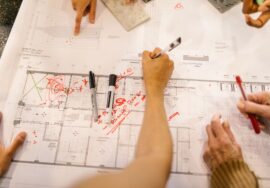
Effective Budget Management Strategies for Commercial Construction Projects
Cost Management helps project owners plan, coordinate and control construction work with clearer responsibilities, better reporting and structured project delivery.
Useful reference: OSHA Construction Industry Guidance
Useful reference: PMI Construction Extension to the PMBOK Guide
Cost Management: What Project Owners Should Know
Budget management is a critical aspect of successful commercial construction projects. It involves detailed planning, continuous monitoring, and proactive control of costs throughout the project lifecycle. For business owners, real estate developers, architects, and project stakeholders, understanding effective budget management techniques can help avoid cost overruns and ensure project objectives are met.
In commercial construction, budget management must be integrated with project planning, procurement, design coordination, and construction management. AMs Project Consultants Pvt. Ltd. brings professional expertise in cost management, construction audit, and end-to-end project delivery to support clients in maintaining financial control without compromising quality or compliance.
Budget Management in Commercial Construction Project Management
Effective budget management in commercial construction projects requires a structured approach. It starts with a realistic cost estimate based on detailed design and technical feasibility studies. AMs emphasizes early involvement in design management and procurement planning to align budgets with project scope and market conditions.
Throughout execution, continuous cost tracking and variance analysis are essential. Project owners should expect regular reporting and transparent communication from their project management consultant. This allows timely identification of potential cost risks and corrective actions, such as value engineering or scope adjustments.
Key Components of Budget Management
- Cost Estimation and Feasibility: Accurate initial estimates backed by technical and commercial feasibility studies.
- Procurement Strategy: Competitive tendering and vendor evaluation to secure cost-effective materials and services.
- Cost Tracking and Reporting: Real-time monitoring of expenditures against the approved budget with detailed reports.
- Change Management: Managing scope changes with clear documentation and impact analysis on budget and schedule.
- Risk Management: Identifying financial risks early and implementing mitigation strategies.
Planning, Execution, and Handover Phases
During the planning phase, AMs supports clients in setting realistic budgets aligned with project requirements and compliance needs. This includes establishing cost baselines and contingencies. The execution phase demands rigorous cost control, quality checks, and stakeholder coordination to prevent budget deviations. At handover, financial closeout and construction audit ensure all costs are accounted for and contractual obligations met.
Common Budget Management Mistakes to Avoid
- Underestimating indirect costs such as permits, inspections, and contingencies.
- Ignoring early design changes that impact costs significantly.
- Lack of integration between procurement and budget control, leading to unexpected expenses.
- Poor communication among stakeholders causing delays and cost escalations.
- Failure to document and approve change orders properly.
When to Involve a Professional Project Management Consultant
Engaging a professional consultancy like AMs early in the project cycle helps establish robust budget frameworks. Their expertise in design and build, MEP coordination, and construction audit ensures cost transparency and risk mitigation. Professional oversight is especially critical in complex commercial, industrial, or institutional projects where multiple stakeholders and compliance requirements add complexity.
Checklist for Effective Budget Management in Commercial Construction
| Task | Description | Responsibility |
|---|---|---|
| Initial Cost Estimate | Develop detailed budget based on design and feasibility | Cost Management Team / PMC |
| Procurement Planning | Define procurement strategy and tendering process | Procurement Team / PMC |
| Cost Monitoring | Track expenditures and compare with budget baseline | Project Manager / PMC |
| Change Order Management | Document and approve scope changes with cost impact | Project Owner / PMC |
| Risk Assessment | Identify and mitigate financial risks | Project Manager / PMC |
| Final Audit and Closeout | Review all costs and contractual compliance at handover | Construction Audit Team / PMC |
Supporting SEO Phrases in Budget Management
Cost control, construction budget, and project cost tracking are vital phrases closely related to budget management. Integrating these concepts helps project owners and stakeholders maintain financial discipline throughout the project.
Conclusion
Effective budget management is indispensable for commercial construction projects to meet financial and operational goals. By partnering with a professional project management consultancy like AMs, clients benefit from expert cost management, construction audit, and coordinated project delivery. This approach reduces financial risks and supports informed decision-making at every stage, from planning through handover.
For further insights on managing construction budgets and project costs, explore Effective Budget Management Strategies for Commercial Construction Projects and Effective Construction Delivery Strategies for Commercial Projects for detailed guidance on construction audit and procurement strategies.
Frequently Asked Questions
What is the role of a project management consultant in budget management?
A project management consultant provides expertise in cost estimation, procurement planning, risk management, and continuous cost monitoring to keep the project within budget.
How does procurement affect budget management in commercial construction?
Procurement influences budget by securing competitive pricing, managing vendor contracts, and ensuring timely supply of materials, which helps avoid cost overruns.
What are common causes of budget overruns in construction projects?
Common causes include inaccurate cost estimates, scope changes without proper controls, poor communication, and unforeseen risks not accounted for in contingencies.
When should a construction audit be conducted?
Construction audit should be performed at project milestones and at handover to verify cost accuracy, compliance, and contract fulfillment.
How can risk management improve budget control?
Risk management identifies potential financial risks early and implements mitigation plans, reducing unexpected expenses and budget deviations.
What documentation is essential for effective budget management?
Essential documents include cost estimates, procurement contracts, change orders, progress reports, and audit records.
Why is stakeholder coordination important in budget management?
Effective coordination ensures timely decisions, clear communication, and alignment of expectations, preventing delays and cost escalations.