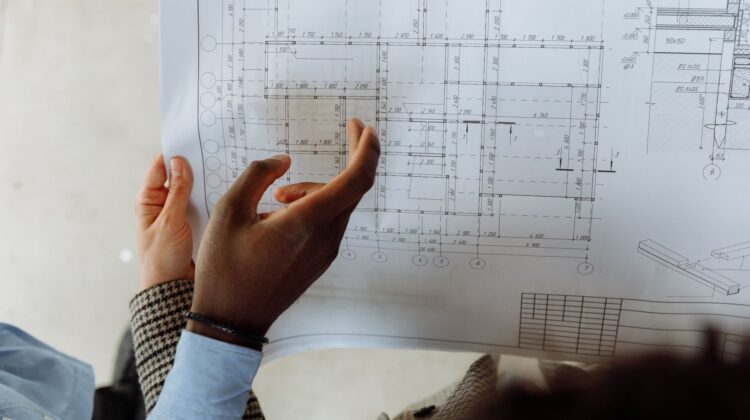
Effective Project Planning Strategies for Commercial Construction Success
Project planning is the cornerstone of successful commercial construction projects. It involves detailed coordination of design, procurement, scheduling, cost management, and stakeholder communication to ensure smooth project delivery. For business owners, real estate developers, architects, and construction stakeholders, understanding effective project planning strategies can mitigate risks and enhance project outcomes.
Useful reference: OSHA Construction Industry Guidance
Useful reference: PMI Construction Extension to the PMBOK Guide
Cost Management: What Project Owners Should Know
In commercial construction, project planning goes beyond simple timelines. It integrates technical feasibility assessments, MEP coordination, construction audits, and quality and safety compliance. AMs Project Consultants Pvt. Ltd. specializes in providing end-to-end project cycle management, ensuring every phase from design to handover is meticulously planned and executed.
Key Elements of Project Planning in Commercial Construction
Effective project planning requires a structured approach addressing multiple facets:
- Scope Definition: Clearly outlining project requirements, deliverables, and stakeholder expectations.
- Design Management: Coordinating architectural and engineering designs to align with technical feasibility and compliance.
- Cost Management: Establishing budgets, monitoring expenditures, and implementing cost control measures.
- Procurement Planning: Scheduling material and equipment purchases to avoid delays and optimize cash flow.
- Scheduling and Resource Allocation: Developing realistic timelines and assigning skilled personnel to critical tasks.
- Risk Management: Identifying potential risks and preparing mitigation strategies, including compliance and safety risks.
- Stakeholder Coordination: Facilitating communication among owners, contractors, consultants, and regulatory bodies.
AMs integrates these elements through a comprehensive project delivery framework that supports built-to-suit, industrial, institutional, warehousing, and corporate office projects.
Planning vs Execution vs Handover in Construction Project Management
Understanding the distinction between planning, execution, and handover phases is vital for project owners and teams:
- Planning: Involves setting objectives, preparing designs, finalizing budgets, and scheduling. AMs emphasizes thorough planning to anticipate challenges and align all parties.
- Execution: The construction phase where plans are implemented. MEP coordination, quality control, safety adherence, and construction audits are critical here.
- Handover: Final inspections, documentation, and techno-commercial closeout ensure the project meets contractual and regulatory requirements.
Each phase requires detailed documentation and proactive communication, which AMs supports through its consultancy services.
Common Mistakes to Avoid in Project Planning
Many commercial construction projects face delays or budget overruns due to avoidable planning errors:
- Inadequate Scope Definition: Leads to scope creep and misunderstandings.
- Poor Coordination of Design and MEP: Results in rework and conflicts on site.
- Ignoring Risk Assessments: Causes unforeseen compliance or safety issues.
- Insufficient Procurement Planning: Delays material delivery and impacts schedules.
- Lack of Stakeholder Communication: Creates misalignment and disputes.
Engaging a professional project management consultancy like AMs early can help identify and mitigate these risks effectively.
When to Involve a Professional Project Management Consultant
Project owners should consider involving consultants when:
- Projects involve complex design-build or built-to-suit requirements.
- Multiple stakeholders and contractors require coordinated communication.
- Risk controls, compliance, and quality assurance are critical.
- Cost management and construction audit are needed to maintain budget discipline.
- Technical feasibility and MEP coordination demand expert oversight.
AMs offers tailored consultancy to guide clients through these complexities, ensuring informed decisions and controlled project delivery.
Practical Project Planning Checklist for Commercial Construction
| Planning Aspect | Key Actions | Responsible Party |
|---|---|---|
| Scope Definition | Document project requirements and deliverables | Project Owner / AMs PMC |
| Design Coordination | Review architectural and MEP designs for feasibility | Design Team / AMs Design Management |
| Cost Management | Establish budget and monitor expenditures | Cost Manager / AMs Cost Management |
| Procurement Scheduling | Plan purchase timelines and vendor selection | Procurement Team / AMs Procurement |
| Risk Assessment | Identify risks and prepare mitigation plans | Project Manager / AMs Risk Management |
| Quality & Safety Planning | Define standards and inspection schedules | Quality & Safety Officer / AMs Quality & Safety |
| Stakeholder Communication | Set meeting schedules and reporting protocols | Project Manager / AMs PMC |
Comparing Project Planning Approaches: Traditional vs Integrated Consultancy
Traditional project planning often segments tasks among various parties, which can cause delays and miscommunication. In contrast, integrated consultancy combines design, procurement, cost management, and construction oversight under one umbrella. AMs advocates for integrated project management consultancy to streamline coordination and improve accountability.
Integrated consultancy benefits include:
- Centralized communication channels.
- Early identification of design and technical conflicts.
- Continuous cost tracking and construction audits.
- Proactive risk and compliance management.
This approach supports complex commercial projects such as office fit-outs, warehousing, and institutional buildings.
Conclusion
Effective project planning in commercial construction is essential to navigate the complexities of design, procurement, cost, and compliance. By adopting a structured approach and leveraging professional project management consultancy like AMs, project owners and stakeholders can enhance coordination, reduce risks, and improve project outcomes. Early involvement of experts, clear documentation, and continuous monitoring are keys to successful project delivery.
Frequently Asked Questions
What are the critical components of project planning in commercial construction?
They include scope definition, design and MEP coordination, cost management, procurement scheduling, risk assessment, quality and safety planning, and stakeholder communication.
How does AMs support project planning for built-to-suit projects?
AMs provides end-to-end consultancy covering design management, cost control, procurement, construction audit, and handover to ensure tailored solutions meet client requirements.
When should a project owner engage a project management consultant?
Consultants should be engaged early, especially for complex projects involving multiple stakeholders, technical feasibility, and stringent compliance needs.
What are common pitfalls in construction project planning?
Common mistakes include unclear scope, poor design coordination, ignoring risk assessments, inadequate procurement planning, and weak stakeholder communication.
How does integrated project management consultancy differ from traditional planning?
Integrated consultancy centralizes design, procurement, cost, and construction oversight, improving communication and reducing delays compared to segmented traditional approaches.
What role does MEP coordination play in project planning?
MEP coordination ensures mechanical, electrical, and plumbing systems are designed and executed in harmony with structural and architectural plans, reducing rework and delays.
How can construction audits improve project planning outcomes?
Construction audits provide independent reviews of quality, safety, compliance, and cost control, helping identify issues early and maintain project integrity.
For more detailed insights on construction project management, visit Construction Audit Best Practices for Commercial Project Management. To explore AMs’ expertise in cost management and procurement, see Construction Audit Best Practices for Effective Project Management.