Construction Audit Best Practices for Commercial Project Management
Construction audit is a critical process in commercial project management that ensures project delivery aligns with planned budgets, quality standards, and compliance requirements. Effective construction audits help business owners, real estate developers, and project stakeholders identify risks early and maintain control over project execution.
Useful reference: OSHA Construction Industry Guidance
Useful reference: PMI Construction Extension to the PMBOK Guide
At AMs Project Consultants Pvt. Ltd., our approach to construction audit integrates seamlessly with end-to-end project cycle management, including cost management, MEP coordination, and design management. This article outlines best practices for conducting thorough construction audits tailored to commercial, industrial, and institutional projects.
Construction Audit in Commercial Project Management: Key Practices
A construction audit evaluates financial, technical, and contractual aspects throughout the project lifecycle. For commercial projects, it is essential to focus on areas such as procurement verification, quality assurance, safety compliance, and stakeholder coordination. AMs emphasizes a structured audit framework that includes:
- Document Review: Verify contracts, change orders, payment certificates, and procurement records to ensure transparency and accuracy.
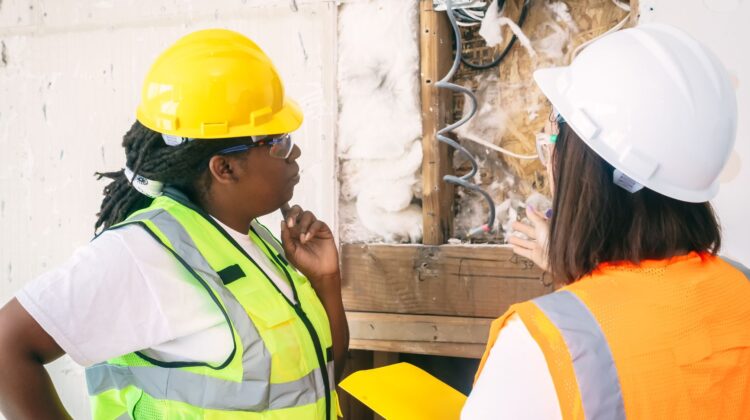
- Site Inspections: Conduct regular physical inspections to assess workmanship, material quality, and adherence to design specifications.
- Cost Tracking: Monitor expenditures against budgets, flagging deviations early to support cost control.
- Compliance Checks: Confirm statutory approvals, safety regulations, and environmental standards are met.
- Stakeholder Coordination: Engage with contractors, suppliers, and consultants to resolve issues and maintain schedule integrity.
Integrating Construction Audit with Project Delivery Phases
Construction audit should be embedded at every phase of project delivery: planning, execution, and handover. During planning, audits help validate technical feasibility and procurement strategies. In execution, audits focus on quality control, cost management, and risk mitigation. At handover, audits ensure all contractual and compliance obligations are fulfilled before project closeout.
AMs’ expertise in built-to-suit projects and design-build delivery ensures audit processes adapt to project complexity and client requirements. This holistic approach minimizes surprises and supports informed decision-making.
Common Mistakes to Avoid in Construction Audits
- Delaying audits until late project stages, missing early risk detection opportunities.
- Relying solely on documentation without adequate site verification.
- Ignoring procurement checkpoints leading to contract non-compliance.
- Overlooking MEP coordination issues that affect quality and timelines.
- Failing to engage all relevant stakeholders during audit reviews.
When to Involve a Professional Project Management Consultant
Complex commercial projects benefit significantly from professional construction audit support. AMs Project Consultants provide independent, expert assessments that complement internal controls. Early involvement during project initiation allows for audit frameworks aligned with project objectives and regulatory requirements.
Professional consultants also assist with audit reporting, risk analysis, and corrective action plans, ensuring transparency for corporate administration teams and institutional decision makers.
What Project Owners Should Check Before Starting Construction Audits
- Ensure all contracts and procurement documents are complete and accessible.
- Confirm the project scope, timelines, and budgets are clearly defined.
- Verify statutory approvals and compliance requirements are documented.
- Establish clear communication channels among project stakeholders.
- Agree on audit frequency, scope, and reporting formats with consultants.
Comparing Construction Audit Approaches for Commercial Projects
| Audit Aspect | Traditional Approach | AMs Best Practice Approach |
|---|---|---|
| Documentation | Periodic review, often reactive | Continuous verification integrated with project milestones |
| Site Inspection | Scheduled visits, limited scope | Frequent, comprehensive inspections covering quality and safety |
| Cost Control | Post-invoice checks | Real-time cost tracking with proactive variance analysis |
| Stakeholder Engagement | Minimal during audit | Collaborative reviews involving contractors and consultants |
| Compliance | Document-based only | On-site compliance audits with statutory cross-checks |
Practical Construction Audit Checklist for Commercial Projects
- Review contract terms and change orders for clarity and approvals.
- Verify procurement records against approved vendor lists and purchase orders.
- Inspect site conditions for adherence to design and safety standards.
- Confirm MEP installations align with design and coordination plans.
- Track project costs versus budget and identify variances.
- Ensure all statutory permits and approvals are current and documented.
- Document non-conformities and follow up on corrective actions.
- Prepare audit reports highlighting risks, compliance status, and recommendations.
Conclusion
Construction audit is a vital component of commercial project management that safeguards project quality, cost, and compliance. By adopting best practices such as early involvement, continuous monitoring, and comprehensive stakeholder engagement, project owners and teams can mitigate risks and enhance project outcomes.
AMs Project Consultants Pvt. Ltd. offers expert construction audit services integrated with broader project management consultancy. This ensures your commercial, industrial, or institutional project benefits from professional oversight across planning, execution, and handover phases.
For more insights on managing project costs effectively, see Construction Audit Best Practices for Effective Project Management. To understand how design coordination impacts audit outcomes, visit Quality Assurance in Commercial Construction Project Management.
Frequently Asked Questions
What is the primary goal of a construction audit in commercial projects?
The primary goal is to verify that project execution aligns with contractual, financial, and quality requirements, minimizing risks and ensuring compliance.
How often should construction audits be conducted?
Audits should be scheduled regularly throughout the project lifecycle, with increased frequency during critical milestones or phases prone to risks.
Who should be involved in the construction audit process?
Key stakeholders include project owners, PMC consultants, contractors, procurement teams, and quality and safety officers.
Can construction audits help control project costs?
Yes, by tracking expenditures against budgets and identifying deviations early, audits support effective cost management.
What documents are essential for a thorough construction audit?
Contracts, change orders, procurement records, payment certificates, statutory approvals, and site inspection reports are essential documents.
How does MEP coordination relate to construction audits?
MEP coordination ensures mechanical, electrical, and plumbing installations comply with design and quality standards, which construction audits verify on-site.
When is the best time to engage a professional construction audit consultant?
Early in the project planning phase to establish audit frameworks and continue through execution and handover for comprehensive oversight.