Design Management Best Practices in Corporate Office Fitouts
Effective design management is essential for successful corporate office fitouts. It ensures that design concepts align with business objectives while maintaining quality, compliance, and cost control throughout the project lifecycle. For business owners, real estate developers, architects, and project stakeholders, understanding design management in the context of construction project management consultancy is key to delivering fitouts that meet functional and aesthetic requirements.
Useful reference: PMI Construction Extension to the PMBOK Guide
Useful reference: Construction Management Certification Course Online
AMs Project Consultants Pvt. Ltd. specializes in end-to-end project cycle management, including design management for corporate office fitouts. This article explores best practices that help streamline design coordination, procurement, stakeholder communication, and risk mitigation to achieve a seamless project delivery.
Design Management: Key Principles for Corporate Office Fitouts
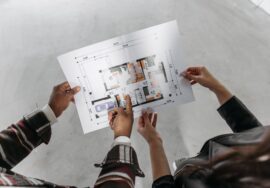
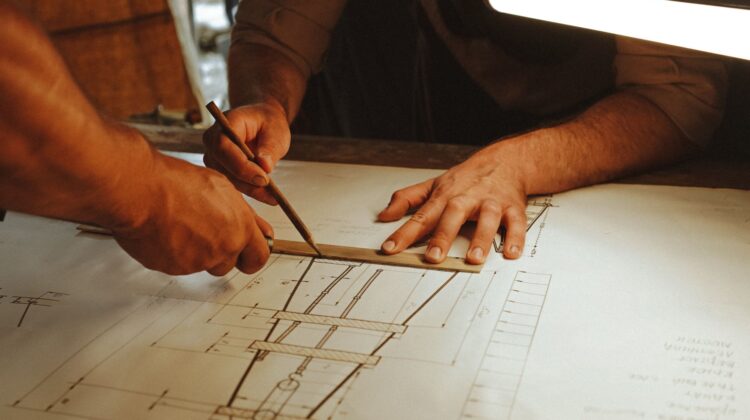
Design management integrates architectural, structural, MEP, and interior design disciplines to create a cohesive office environment. Early involvement of a professional construction project management consultant like AMs helps align design intent with technical feasibility and budget constraints. This coordination reduces costly redesigns and schedule delays.
Key principles include:
- Stakeholder Coordination: Engage all parties early-owners, architects, engineers, contractors, and facility heads-to clarify expectations and responsibilities.
- Design Documentation Control: Maintain version control and centralized access to drawings, specifications, and design approvals to avoid miscommunication.
- Technical Feasibility Reviews: Assess design proposals against site conditions, statutory regulations, and MEP integration requirements.
- Cost Management Integration: Link design decisions with budget tracking to prevent scope creep and cost overruns.
- Quality and Compliance Checks: Implement regular design audits to ensure adherence to standards and corporate policies.
Planning vs Execution vs Handover in Design Management
During planning, design concepts are finalized with input from all stakeholders, supported by technical feasibility studies and procurement strategies. Execution focuses on translating designs into built environments with continuous monitoring of design compliance and coordination with contractors. The handover phase involves ensuring all design documentation, warranties, and compliance certificates are complete for operational use.
Common Mistakes to Avoid in Design Management
- Delaying design consultant involvement until late in the project.
- Inadequate communication between design and construction teams.
- Ignoring MEP coordination leading to clashes and rework.
- Poor version control causing confusion over approved designs.
- Neglecting cost implications of design changes.
How AMs Supports Design Management in Corporate Office Fitouts
AMs offers comprehensive design management services that include:
- Design Coordination: Facilitating collaboration between architects, engineers, and contractors to integrate design elements efficiently.
- Procurement Support: Advising on specifications and tendering to ensure materials and services meet design intent and budget.
- MEP Coordination: Managing mechanical, electrical, and plumbing designs to prevent integration issues.
- Quality and Compliance Monitoring: Conducting design audits and site inspections aligned with corporate standards and statutory requirements.
- Construction Audit and Reporting: Tracking design-related progress and risks, enabling timely corrective actions.
Using Cost Tracking Methods to Control Corporate Office Fitout Budgets, project owners can better understand how integrated project delivery enhances design management outcomes. Site Inspection Checkpoints for Corporate Office Fitouts provides insights into cost management strategies that complement design coordination for office fitouts.
Practical Checklist for Effective Design Management
| Task | Description | Responsible Party | Timeline |
|---|---|---|---|
| Kickoff Meeting | Align stakeholders on design goals and roles | Project Manager | Project Start |
| Design Freeze | Finalize approved design documents | Design Consultant & PMC | Pre-Construction |
| Technical Review | Verify design feasibility and compliance | Engineering Team | Before Tender |
| Procurement Specification | Prepare detailed specs for materials and services | Procurement Team | Post-Design Freeze |
| Design Audit | Periodic checks during construction | PMC & Quality Team | Construction Phase |
| Handover Documentation | Compile as-built drawings and compliance certificates | PMC | Project Completion |
When to Involve a Professional Project Management Consultant
Engaging a PMC like AMs early in the design phase is crucial for complex corporate office fitouts. Their expertise in design management ensures alignment between architectural vision, technical execution, and commercial constraints. They also provide risk mitigation through proactive coordination and audit processes, which is especially important for institutional and industrial clients.
Project owners should check for the consultant’s experience in similar commercial projects, their approach to stakeholder communication, and their capability in managing end-to-end project cycles before contracting.
Frequently Asked Questions
What is the role of design management in corporate office fitouts?
Design management coordinates all design disciplines to ensure the fitout meets business needs, technical feasibility, and budget requirements.
How does AMs integrate design management with cost control?
AMs links design decisions directly with budget tracking and procurement strategies to prevent cost overruns and scope creep.
When should design management start in a fitout project?
Design management should begin at project inception to align stakeholders and avoid costly redesigns later.
What are common challenges in design management for office fitouts?
Challenges include poor communication, MEP coordination issues, version control lapses, and ignoring cost implications of design changes.
How does design management impact project handover?
Proper design management ensures complete and accurate documentation, compliance certificates, and warranties are ready for smooth handover.
Can design management improve quality and safety?
Yes, through regular audits and compliance checks integrated into the design and construction phases.
What should project owners verify before starting design management?
Owners should verify consultant experience, stakeholder engagement plans, and integration of technical feasibility and cost management.
Conclusion
Design management is a critical discipline in corporate office fitouts that directly influences project success. By applying best practices such as early stakeholder coordination, rigorous documentation control, and integration with cost and quality management, project owners can achieve seamless delivery. AMs Project Consultants Pvt. Ltd. provides the professional expertise needed to navigate complex design challenges and ensure that fitouts meet both functional and aesthetic goals. For comprehensive project support covering design, procurement, MEP coordination, and construction audit, engaging a PMC early is a strategic advantage.