
Eco-Friendly Materials for Construction: Sustainable Building Solutions
Eco-Friendly Materials for Construction
The construction industry is increasingly shifting toward sustainability, and the use of eco-friendly materials for construction is at the core of this transformation. These materials help reduce environmental impact, improve energy efficiency, and promote long-term durability.
Adopting eco-friendly materials is essential for building sustainable and future-ready infrastructure.
What are Eco-Friendly Construction Materials?
Eco-friendly construction materials are sustainable, non-toxic, and resource-efficient materials used in building projects. They are designed to minimize environmental impact during production, use, and disposal.
The growing demand for green buildings has increased the importance of eco-friendly materials for construction worldwide.
Top Eco-Friendly Materials for Construction
1. Bamboo
Bamboo is a fast-growing, renewable material widely used in sustainable construction.
Benefits:
- High strength and flexibility
- Rapid growth and renewability
- Low environmental impact
2. Recycled Steel
Steel can be recycled multiple times without losing its strength.
Benefits:
- Reduces mining requirements
- Durable and strong
- Cost-effective in the long run
3. Fly Ash Bricks
Fly ash is a byproduct of coal combustion, used to make bricks.
Benefits:
- Reduces waste
- Stronger than traditional bricks
- Better insulation properties
4. Reclaimed Wood
Reclaimed wood is reused from old buildings and structures.
Benefits:
- Reduces deforestation
- Unique aesthetic appeal
- Environmentally friendly
5. Cork
Cork is a renewable material harvested from tree bark.
Benefits:
- Lightweight and flexible
- Excellent insulation
- Biodegradable
6. Hempcrete
Hempcrete is made from hemp fibers mixed with lime.
Benefits:
- Lightweight and durable
- Carbon-negative material
- Good thermal insulation
7. Rammed Earth
Rammed earth uses natural soil compacted into walls.
Benefits:
- Low carbon footprint
- Excellent thermal performance
- Locally available material
8. Recycled Plastic
Plastic waste can be reused in construction materials like bricks and panels.
Benefits:
- Reduces plastic pollution
- Durable and lightweight
- Cost-effective
9. Low-VOC Paints and Finishes
Low-VOC (Volatile Organic Compounds) paints improve indoor air quality.
Benefits:
- Non-toxic
- Healthier living environment
- Environmentally safe
10. Solar Panels and Green Roofing Materials
Although not traditional materials, these contribute to sustainable construction.
Benefits:
- Renewable energy generation
- Energy efficiency
- Reduced operational costs
Benefits of Using Eco-Friendly Materials
Using eco-friendly materials for construction offers several advantages:
- Reduced environmental impact
- Improved energy efficiency
- Lower long-term costs
- Better indoor air quality
- Sustainable resource usage
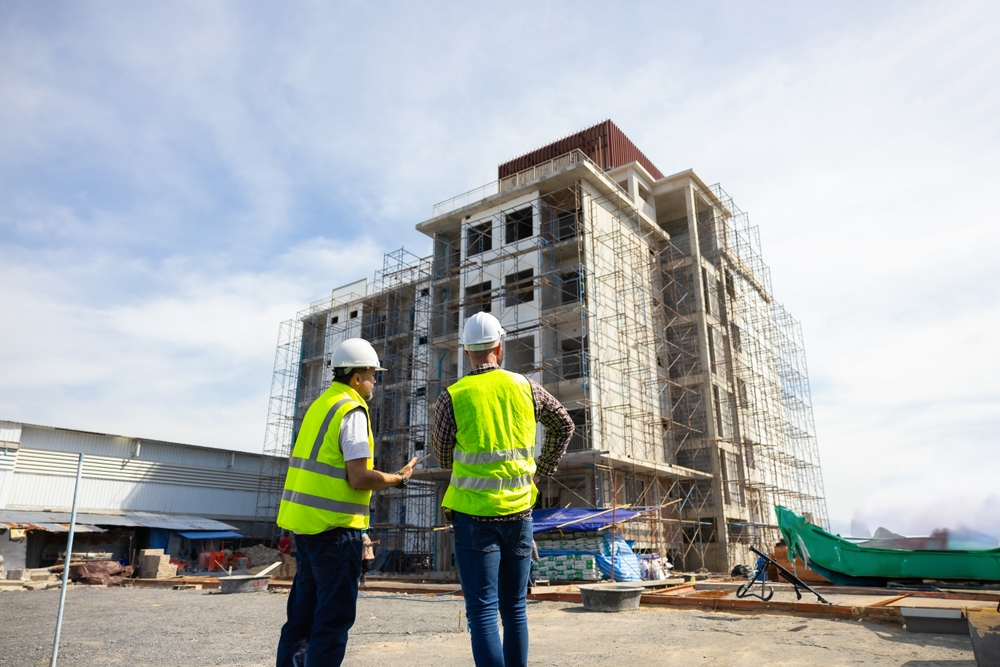
Eco-Friendly Construction in India
India is rapidly adopting sustainable materials due to increasing environmental awareness and green building initiatives.
Organizations like the Indian Green Building Council promote the use of eco-friendly materials and sustainable construction practices.
Challenges in Using Eco-Friendly Materials
- Higher initial costs
- Limited availability in some regions
- Lack of awareness
- Need for skilled labor
However, these challenges are gradually decreasing as demand increases.
Conclusion
Eco-friendly materials are essential for building sustainable and environmentally responsible structures. From bamboo and recycled steel to hempcrete and rammed earth, these materials help reduce environmental impact while improving efficiency and durability.
For professional support in conducting stakeholder-focused project audits and reporting, connect here.
Read more related articles to enhance your knowledge and make informed decisions
Cost-Effective Modular Construction: Fast, and Sustainable Building Solutions
Smart Modular Buildings: Innovative, Efficient, and Sustainable Construction