Residential Building Audit Services | Safety & Quality Inspection
Residential Building Audit: Ensuring Safety and Quality in 2026
The residential construction sector in 2026 is growing rapidly with increasing demand for apartments, villas, gated communities, and smart housing projects. As buildings become more advanced and regulations become stricter, property owners and developers are increasingly investing in residential building audit services to ensure safety, quality, compliance, and long-term structural performance.
A residential building audit is a detailed inspection and evaluation of a building’s structural condition, construction quality, safety systems, and compliance with approved standards. These audits help identify defects, reduce maintenance costs, improve safety, and ensure that residential properties remain durable and legally compliant.
For professional residential building audit consultation and inspection support, visit
AMS India Contact Us
What Is a Residential Building Audit?
A residential building audit is a systematic assessment of residential properties to evaluate structural integrity, construction quality, safety measures, and maintenance conditions.
The audit typically includes reviewing:
- Structural stability
- Construction quality
- Electrical and plumbing systems
- Waterproofing conditions
- Safety compliance
- Building maintenance
- Material quality
- Regulatory approvals
The primary objective is to ensure that the building is safe for occupants and meets required engineering and legal standards.

Importance of Residential Building Audits in 2026
Modern residential projects involve complex construction systems, smart technologies, and strict compliance requirements. Building audits help property owners maintain safety and operational efficiency.
Ensures Resident Safety
Audits identify structural defects, water leakage, electrical hazards, and other safety risks before they become serious problems.
Improves Building Quality
Regular inspections ensure construction quality and proper maintenance of residential properties.
Supports Regulatory Compliance
Residential buildings must comply with local construction laws, safety standards, and municipal regulations.
Reduces Maintenance Costs
Early detection of defects helps prevent expensive repairs and long-term damage.
Enhances Property Value
Well-maintained and structurally safe buildings have better market value and buyer confidence.
For official housing and urban development guidelines in India, visit
Ministry of Housing and Urban Affairs India
Types of Residential Building Audits
Different residential properties require specialized audit approaches depending on age, design, and occupancy.
Structural Audit
Structural audits evaluate the strength, durability, and stability of the building structure.
Areas Covered
- Foundation condition
- Beam and column strength
- Wall cracks
- Concrete deterioration
- Roof stability
Safety Audit
Safety audits review fire protection systems, emergency exits, electrical safety, and hazard management.
Quality Audit
Quality audits assess workmanship, construction materials, and finishing standards.
Maintenance Audit
Maintenance audits evaluate the condition of plumbing systems, electrical installations, waterproofing, and common areas.
Compliance Audit
Compliance audits verify adherence to building regulations, occupancy approvals, and environmental standards.
Residential Building Audit Process
Professional building audits follow a structured inspection process.
Preliminary Assessment
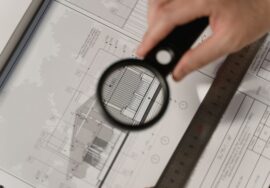
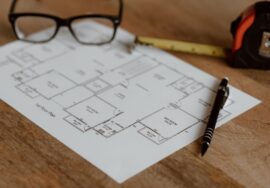
Auditors collect building drawings, maintenance records, approvals, and project documentation.
Site Inspection
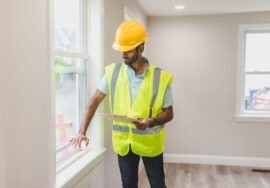
Physical inspections are conducted to evaluate structural conditions, safety systems, and maintenance quality.
Technical Testing
Advanced testing methods may be used to assess concrete strength, corrosion, and structural performance.
Defect Identification
Any defects, compliance issues, or maintenance concerns are documented and analyzed.
Audit Reporting
A detailed report is prepared with findings, risk assessments, and recommendations for repairs or improvements.
Technology Trends in Residential Building Audits 2026
Technology is improving the efficiency and accuracy of building inspection services.
Drone-Based Inspections
Drones help inspect rooftops, exterior walls, and high-rise residential structures safely.
AI-Powered Defect Detection
Artificial intelligence helps identify cracks, moisture issues, and structural risks efficiently.
Smart Building Monitoring
Digital monitoring systems track structural movement, energy performance, and safety conditions.
Cloud-Based Reporting
Cloud platforms improve documentation management and real-time inspection reporting.
Benefits of Professional Residential Building Audit Services
Professional auditors provide technical expertise and independent evaluations that improve building management.
Key Benefits Include:
- Improved resident safety
- Better structural reliability
- Reduced maintenance expenses
- Enhanced compliance management
- Improved property value
- Faster issue resolution
- Long-term building durability
Property owners and developers seeking trusted audit solutions can explore
AMS India Official Website
Best Practices for Effective Residential Building Audits
Conduct Regular Inspections
Periodic audits help detect structural and maintenance issues early.
Maintain Proper Documentation
Accurate records improve transparency and support compliance verification.
Hire Qualified Audit Professionals
Experienced engineers and inspectors provide reliable technical assessments.
Use Modern Inspection Technology
Advanced testing tools improve audit accuracy and reporting efficiency.
Address Defects Immediately
Timely repairs reduce safety risks and prevent further damage.
Conclusion
Residential building audits are essential for ensuring safety, quality, compliance, and long-term property performance in 2026. As residential construction becomes more advanced and regulated, professional audit services help property owners and developers maintain better control over building conditions and operational risks.
From structural inspections and safety reviews to maintenance assessments and compliance verification, residential building audits support better property management and improved resident safety. Investing in regular building audits helps extend building lifespan, improve property value, and ensure long-term infrastructure reliability.
Read more related articles to enhance your knowledge and make informed decisions
Cost-Effective Modular Construction: Fast, and Sustainable Building Solutions
Smart Modular Buildings: Innovative, Efficient, and Sustainable Construction