Industrial Construction Inspection Services | Quality & Safety
Industrial Construction Inspection: Ensuring Safety and Quality in 2026
Industrial construction projects in 2026 are becoming more advanced, large-scale, and technology-driven. From manufacturing plants and warehouses to power facilities and processing units, industrial projects require strict quality control, safety management, and regulatory compliance. To ensure successful project execution, businesses are increasingly investing in industrial construction inspection services.
Industrial construction inspections help organizations monitor construction quality, structural integrity, equipment installation, operational safety, and compliance with engineering standards. These inspections reduce project risks, improve operational efficiency, and ensure long-term infrastructure reliability.
For professional industrial construction inspection and audit support, visit
AMS India Contact Us
What Is Industrial Construction Inspection?
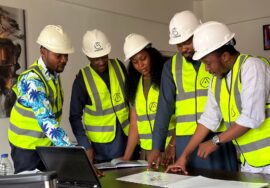
Industrial construction inspection is a systematic evaluation of industrial construction projects to verify compliance with approved engineering designs, safety regulations, quality standards, and contractual requirements.
Professional inspectors assess multiple aspects of industrial projects, including:
- Structural systems
- Machinery installations
- Material quality
- Welding standards
- Electrical systems
- Mechanical systems
- Fire safety infrastructure
- Site safety practices
The primary objective is to ensure that industrial facilities are constructed safely, efficiently, and according to industry standards.
Importance of Industrial Construction Inspection in 2026
Industrial construction projects involve heavy equipment, complex engineering systems, and high operational risks. Regular inspections help businesses maintain project quality and operational safety.
Ensures Construction Quality
Inspections verify that construction work follows approved technical and engineering standards.
Improves Workplace Safety
Industrial sites contain hazardous operations that require strict safety management and regular monitoring.
Supports Regulatory Compliance
Industrial projects must comply with construction laws, environmental standards, and occupational safety regulations.
Reduces Operational Risks
Early identification of defects and safety issues helps prevent costly failures and delays.
Enhances Equipment Reliability
Inspection services ensure proper installation and functioning of industrial machinery and systems.
For official industrial and infrastructure regulations in India, refer to
Ministry of Housing and Urban Affairs India
Types of Industrial Construction Inspections
Different industrial facilities require specialized inspection approaches depending on operational complexity and infrastructure requirements.
Structural Inspection
Structural inspections evaluate the strength, durability, and stability of industrial buildings and support systems.
Areas Covered
- Steel structures
- Foundations
- Concrete systems
- Load-bearing components
- Roofing systems
Mechanical Inspection
Mechanical inspections verify machinery installation, HVAC systems, pipelines, and equipment alignment.
Electrical Inspection
Electrical inspections assess power distribution systems, wiring quality, grounding systems, and electrical safety compliance.
Safety Inspection
Safety inspections evaluate workplace hazards, emergency systems, and compliance with occupational safety standards.
Safety Areas Reviewed
- Fire protection systems
- Hazard management
- Protective equipment usage
- Emergency response procedures
- Machinery safety
Quality Inspection
Quality inspections verify workmanship, material standards, and construction processes.
Industrial Construction Inspection Process
Professional inspection services follow a structured evaluation process.
Project Review and Planning
Inspectors review engineering drawings, project specifications, schedules, and compliance requirements.
Site Inspection
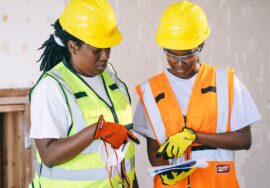
Physical inspections are conducted to assess construction activities, machinery installations, and safety practices.
Testing and Verification
Technical testing is performed to evaluate structural strength, welding quality, electrical systems, and equipment performance.
Defect Identification
Any defects, compliance issues, or operational risks are documented and analyzed.
Inspection Reporting
A detailed inspection report is prepared with findings, observations, and corrective recommendations.
Technology Trends in Industrial Construction Inspection 2026
Technology is improving the efficiency and accuracy of industrial inspections.
Drone-Based Inspections
Drones help inspect large industrial facilities and difficult-to-access areas safely.
AI-Powered Defect Detection
Artificial intelligence supports predictive maintenance and defect identification.
IoT Monitoring Systems
Smart sensors monitor equipment performance, environmental conditions, and structural movement in real time.
Cloud-Based Inspection Reporting
Digital platforms improve documentation management and real-time reporting.
Benefits of Professional Industrial Construction Inspection Services
Professional inspection services provide organizations with expert evaluations and technical guidance.
Key Benefits Include:
- Improved construction quality
- Better workplace safety
- Enhanced compliance management
- Reduced operational risks
- Improved equipment reliability
- Faster issue resolution
- Long-term infrastructure performance
Organizations looking for reliable industrial inspection solutions can explore
AMS India Official Website
Best Practices for Effective Industrial Construction Inspections
Conduct Regular Inspections
Frequent inspections help identify issues before they affect operations.
Maintain Proper Documentation
Accurate records improve compliance verification and project tracking.
Use Certified Materials and Equipment
High-quality materials improve infrastructure safety and reliability.
Implement Advanced Inspection Technology
Digital tools improve testing accuracy and operational efficiency.
Focus on Safety and Preventive Maintenance
Strong safety practices and maintenance planning reduce operational failures.
Conclusion
Industrial construction inspections are essential for ensuring safety, quality, compliance, and operational efficiency in modern industrial projects. In 2026, with increasing infrastructure complexity and stricter regulations, professional inspection services help organizations improve project control and reduce operational risks.
From structural inspections and equipment testing to safety reviews and compliance verification, industrial construction inspections support successful project execution and long-term infrastructure reliability. Businesses that invest in regular inspection services can achieve better operational performance, stronger safety standards, and sustainable industrial growth.
Read more related articles to enhance your knowledge and make informed decisions
Cost-Effective Modular Construction: Fast, and Sustainable Building Solutions
Smart Modular Buildings: Innovative, Efficient, and Sustainable Construction