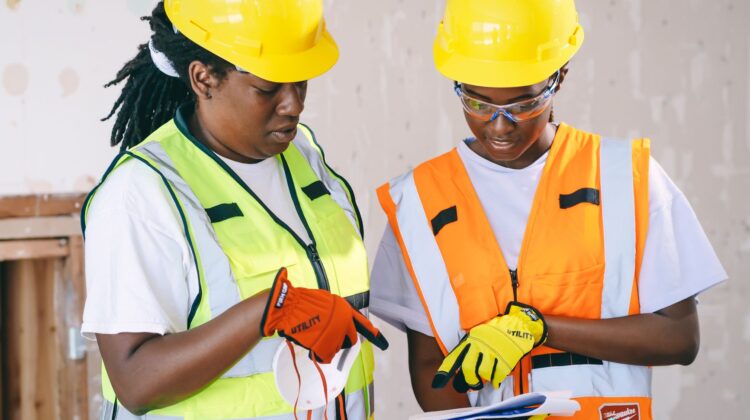
Site Inspection Checkpoints for Corporate Office Fitouts
Site inspection is a critical phase in corporate office fitouts, ensuring that every aspect of the construction and design aligns with project requirements and quality standards. For business owners, project owners, architects, and facility heads, understanding key site inspection checkpoints helps mitigate risks and keeps the project on track.
Useful reference: PMI Construction Extension to the PMBOK Guide
Useful reference: Construction Project Management Standard Operating…
In this article, we explore essential site inspection checkpoints tailored for corporate office fitouts. These checkpoints cover technical feasibility, design coordination, MEP installation, procurement status, quality control, safety compliance, and stakeholder communication. AMs Project Consultants Pvt. Ltd. brings practical insights based on construction project management consultancy to help you navigate this complex process effectively.
Site Inspection: Essential Checkpoints for Corporate Office Fitouts
Site inspection must begin with a clear checklist that covers all critical areas of the corporate office fitout project. Key checkpoints include:
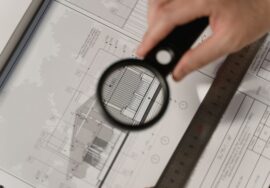
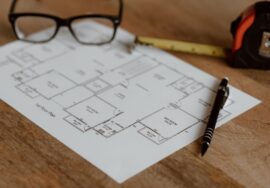
- Design Verification: Confirm that architectural and interior designs are implemented as per approved drawings. Check for deviations that could impact aesthetics or function.
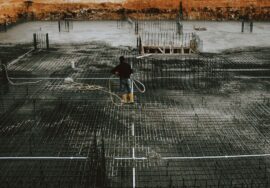
- Structural and Civil Works: Assess the quality of structural elements such as partitions, flooring, ceilings, and wall finishes. Ensure compliance with specifications and safety standards.
- MEP Coordination: Verify mechanical, electrical, and plumbing installations are correctly placed and meet design requirements. Coordination between trades is critical to avoid clashes and rework.
- Procurement and Material Quality: Inspect materials delivered on-site for compliance with project specifications. Check vendor documentation and quality certificates where applicable.
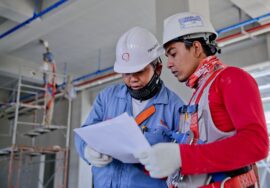
- Safety and Compliance: Ensure that all safety protocols are followed by contractors and subcontractors. Check for proper use of personal protective equipment and site safety signage.
- Documentation and Reporting: Maintain detailed records of inspection findings, non-conformities, and corrective actions. This documentation supports construction audits and project closeout.
AMs emphasizes the importance of stakeholder coordination during site inspections. Regular communication between project owners, contractors, design teams, and procurement specialists helps identify issues early and facilitates smoother project delivery.
Planning, Execution, and Handover: Inspection Phases
Site inspection is not a one-time activity but occurs across various project phases:
- Planning Phase: Review technical feasibility and design readiness before construction starts. Early inspections reduce costly changes later.
- Execution Phase: Conduct routine inspections to monitor progress, quality, and compliance. Use checklists tailored to fitout-specific elements like furniture installation and IT infrastructure.
- Handover Phase: Perform final inspections to identify snags and ensure all contractual requirements are met. Prepare punch lists and coordinate with contractors for timely resolution.
Common Mistakes to Avoid During Site Inspection
- Skipping detailed documentation of non-conformities and corrective actions.
- Failing to involve all relevant stakeholders during inspection meetings.
- Overlooking MEP clashes due to poor coordination between disciplines.
- Ignoring safety protocols, which can lead to accidents and project delays.
- Delaying inspections until late in the execution phase, increasing risk of rework.
When to Involve a Professional Project Management Consultant
Engaging a professional construction project management consultancy like AMs early in the project ensures thorough site inspection processes. AMs provides expertise in design management, MEP coordination, cost control, and quality audits, helping project owners maintain control over timelines, budgets, and compliance.
Professional consultants also assist in preparing detailed inspection checklists, coordinating multi-disciplinary teams, and managing procurement and vendor quality assurance. This support is invaluable for complex corporate office fitouts with tight schedules and high standards.
Site Inspection Checklist for Corporate Office Fitouts
| Inspection Area | Key Points | Responsible Party | Documentation |
|---|---|---|---|
| Design Compliance | Verify adherence to approved drawings and specifications | Design Manager, PMC | Inspection reports, deviation logs |
| Structural & Civil Works | Check finishes, partitions, ceilings, flooring quality | Site Engineer, Quality Control | Quality check reports |
| MEP Installation | Confirm correct installation and coordination of services | MEP Coordinator, Contractors | MEP inspection checklists |
| Material Quality | Inspect delivered materials for compliance and certification | Procurement, Site Supervisor | Material test certificates, delivery notes |
| Safety Compliance | Ensure safety protocols and PPE usage on-site | Safety Officer, Contractors | Safety audit reports |
| Documentation | Maintain records of inspections and corrective actions | Project Manager, PMC | Inspection logs, corrective action reports |
FAQs on Site Inspection for Corporate Office Fitouts
What is the role of site inspection in corporate office fitouts?
Site inspection ensures that construction and fitout activities meet design, quality, safety, and compliance standards throughout the project lifecycle.
How often should site inspections be conducted?
Inspections should be scheduled regularly during construction phases, with additional checks at key milestones and before project handover.
Who should be involved in site inspections?
Key stakeholders include project owners, PMC consultants, architects, contractors, MEP coordinators, procurement teams, and safety officers.
What are common issues found during site inspections?
Common issues include design deviations, MEP clashes, material quality concerns, safety lapses, and incomplete documentation.
How can AMs Project Consultants support site inspections?
AMs offers end-to-end project cycle management, providing expertise in design management, construction audit, MEP coordination, procurement, and quality control to ensure effective site inspections.
When should a professional project management consultant be involved?
Engage consultants early during planning and continue their involvement through execution and handover to manage risks and maintain project quality.
What documentation is essential from site inspections?
Inspection reports, deviation logs, material certificates, safety audit reports, and corrective action records are critical for project tracking and audit compliance.
Understanding and applying these site inspection checkpoints helps corporate office fitouts progress smoothly and meet expected standards. For detailed project management support, consider professional consultancy to navigate complexities with confidence.
For more insights on project planning and execution, see Cost Estimation Techniques for Corporate Office Fitout Planning. To learn about procurement best practices in fitouts, refer to How Schedule Control Impacts Corporate Office Fitout Timelines.